In the rapidly evolving landscape of food packaging in China, boosting productivity is crucial. Industry expert Dr. Wei Zhang emphasizes, "Improving efficiency is key to meeting growing consumer demands." His insight highlights the urgency for companies to adapt.
To improve food packaging productivity, companies must look at innovative technologies. Automation, for example, can streamline operations. Implementing smart machinery not only speeds up production but also reduces human error. Yet, many companies face challenges in integrating these advanced systems. They often underestimate the training required for staff.
Additionally, companies must re-evaluate their materials. Sustainable packaging solutions are gaining traction. Although they may initially seem costly, the long-term benefits outweigh the initial investment. Businesses should not neglect these opportunities. Ultimately, enhancing food packaging productivity requires a commitment to innovation and reflection on existing practices.
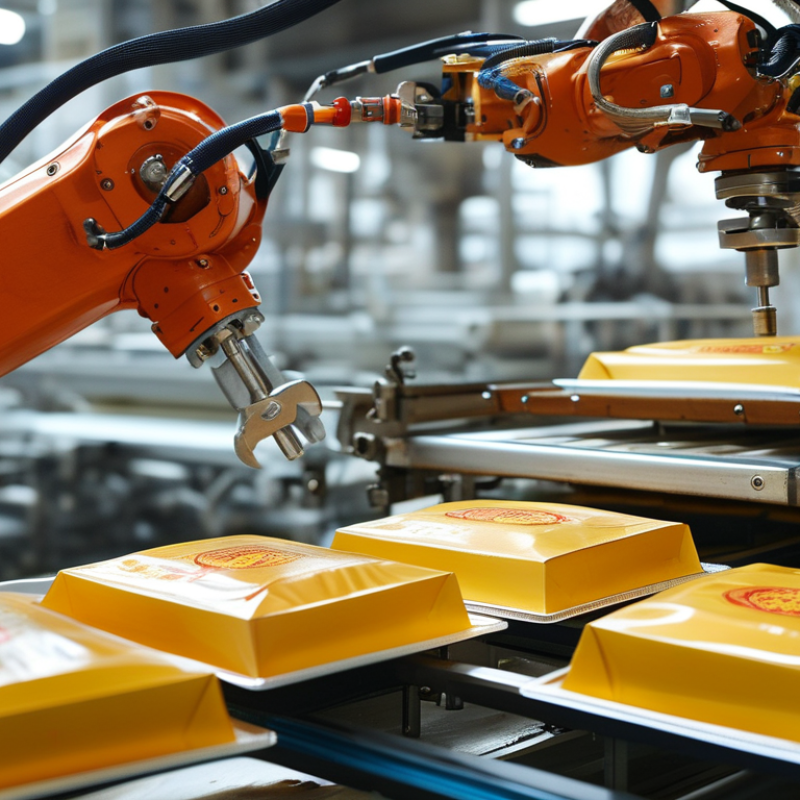
China's food packaging industry is evolving rapidly. Productivity varies significantly across regions. Emerging technologies are reshaping operations. However, many companies face challenges in adoption. The gap between urban and rural areas is evident. Production methods differ widely, resulting in inefficiencies.
Some firms are investing in automation. This improves speed and accuracy in packaging. Yet, not all businesses can afford such upgrades. Smaller companies often lag behind in technology adoption. They rely on manual processes that can be time-consuming. There's a constant struggle to balance cost and efficiency.
Training the workforce is another critical issue. A skilled labor force is essential for optimal productivity. Many workers lack training in modern techniques. This leads to mistakes and waste. Companies must prioritize continuous education. Addressing these gaps will help elevate productivity levels in the food packaging sector.
Food packaging operations in China face several key challenges that impact productivity. One major issue is the variability in raw materials. Fluctuations in quality can lead to production delays. For instance, inconsistent film thickness can cause machine jams. These setbacks waste time and resources, affecting overall output.
Additionally, the lack of skilled labor creates obstacles. Many workers do not have specialized training in food packaging equipment. This gap results in errors during operation, which can compromise product integrity. Moreover, outdated technology poses problems. Older machines may require frequent maintenance, leading to downtime. Operators often struggle to find replacement parts quickly, extending delays.
Despite these challenges, there is an opportunity for improvement. Investing in training programs can enhance worker skills and knowledge. Implementing automation solutions can streamline processes and reduce reliance on manual labor. These efforts may address some inefficiencies, making the industry more competitive in the long run. However, organizations must continually assess their strategies to adapt to evolving market demands.
In today's fast-paced world, automating food packaging processes can significantly enhance productivity. Automation eliminates repetitive manual tasks. Machines can efficiently handle packaging for various food products. By streamlining these operations, manufacturers can focus more on quality control. Fewer errors occur when machines are in charge. For instance, an automated sealing machine can reduce packaging time by up to 30%. This leads to faster turnaround times.
Integrating robotics into food packaging also adds precision. Robots can sort and package items with high accuracy. This consistency helps in maintaining product quality. However, the implementation of such technologies does come with challenges. Initial setup costs can be high. Staff may need training to work alongside these new systems. Addressing these issues is crucial for a successful transition.
Moreover, companies must analyze their specific needs before adopting automation. Not every solution fits every operation. Some processes may not benefit from automation. Regular assessments can identify what works best for each facility. Ensuring that technology aligns with production goals is vital. Reflecting on these factors can lead to a more effective automation strategy.
As the food packaging industry in China evolves, sustainability has become paramount. According to recent statistics, about 70% of consumers prefer brands that adopt eco-friendly practices. This shift towards sustainable packaging materials can significantly boost productivity. For instance, using biodegradable and recyclable materials not only meets consumer demands but also streamlines the production process.
Implementing sustainable practices poses challenges. Many companies face hurdles in sourcing eco-friendly materials and adapting their manufacturing processes. Insights from the "Sustainable Packaging Markets Report" indicate a notable gap: only 30% of packaging companies are fully integrated with sustainable practices. This indicates a need for more investment in research and development.
Moreover, waste reduction is vital. Approximately 1.3 billion tons of food are wasted globally each year, much due to inadequate packaging. Enhancing packaging designs that extend shelf life can minimize this waste. The industry could address these issues by embracing innovative technologies. This approach could pave the way for improved efficiency while prioritizing environmental impacts.
Training and development play a crucial role in optimizing the workforce in the packaging industry. In China, the demand for efficient food packaging is rising rapidly. Workers must be equipped with the right skills to meet these challenges. Ongoing training ensures that employees can adapt to new technologies and processes.
Tips for effective training include hands-on experience and real-world scenarios. This approach helps employees understand their tasks better. Use simulations to replicate the packaging environment, allowing workers to practice skills safely. Another tip: encourage teamwork. Collaborative training sessions can foster better communication among staff, which significantly enhances productivity.
Regular assessments provide feedback and highlight areas for improvement. Observing employees in action can reveal gaps in their skills. These insights are essential for tailoring training programs effectively. Invest in mentoring programs, pairing experienced workers with new hires. This builds confidence and enhances overall team performance, but be aware that not all mentoring relationships might flourish. Some may require adjustments to develop effectively.
: Variability in raw materials and lack of skilled labor are significant challenges. Inconsistent quality can cause delays.
Automation can enhance speed and accuracy. Machines can reduce packaging time and lower the risk of human error.
High initial costs and the need for workforce training are major obstacles. Smaller firms often cannot afford these upgrades.
Skilled workers are vital for productivity. Many employees lack training, which leads to mistakes and waste.
Investing in training programs and automation solutions can enhance skills and streamline operations, addressing existing inefficiencies.
Older machines require frequent maintenance and repairs, leading to downtime and production delays.
Regular evaluations can determine which processes benefit from automation. Not all operations need the same solutions.
Fluctuations in material quality can lead to machine jams and wasted resources, affecting overall productivity.
Ongoing training helps workers stay updated on modern techniques, reducing errors and improving output quality.
While automation boosts efficiency, companies must ensure their staff can adapt to new systems without losing essential skills.
To enhance food packaging productivity in China, it's essential to understand the current landscape and identify key challenges faced by operations. A comprehensive approach involves implementing automation technologies that can significantly streamline processes and reduce labor costs. Additionally, embracing sustainable practices can not only improve efficiency but also meet growing consumer demand for eco-friendly solutions.
Furthermore, a focus on training and development for the workforce is crucial. By equipping employees with the necessary skills and knowledge, companies can optimize their packaging operations. Overall, knowing how to improve food packaging productivity encompasses these strategies, leading to enhanced operational performance and competitiveness in the market.

Nexa Machine