How to Choose Packaging Methods to Extend Food Shelf Life?

Time:2026-07-19 Author:Ethan
0%

Packaging plays a crucial role in food preservation. Understanding what packaging methods extend food shelf life is essential for both consumers and producers. Effective packaging not only protects food from spoilage but also maintains its quality and safety.

Innovative materials and techniques impact how we store food. For instance, vacuum sealing and modified atmosphere packaging help reduce oxygen exposure. This minimizes spoilage and slows down the aging process. However, the choice of packaging often depends on the type of food and its intended shelf life. Some methods may not be suitable for all products.

It's important to consider various factors when selecting packaging. Cost, sustainability, and user-friendliness are vital. Improper packaging can lead to waste. Reflecting on best practices helps improve food longevity and reduce spoilage rates. Adopting appropriate methods ensures food safety and enhances consumer satisfaction.
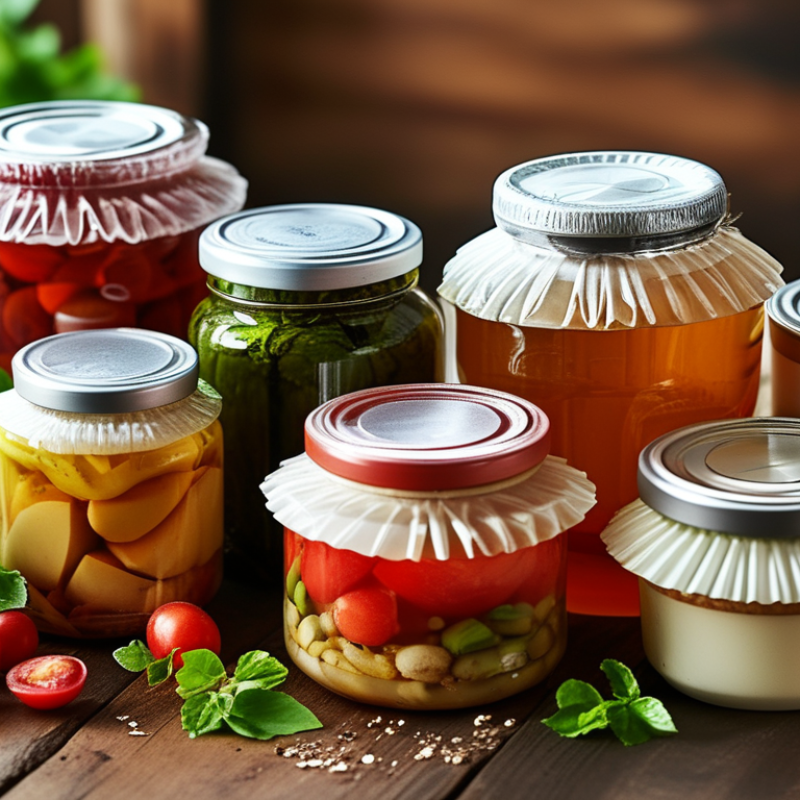
How to Choose Packaging Methods to Extend Food Shelf Life?

Factors Affecting Food Shelf Life and Packaging Choices

When choosing packaging methods, it's essential to consider various factors that influence food shelf life. Temperature, humidity, light exposure, and oxygen levels play significant roles. High temperatures can accelerate spoilage. An ideal packaging must create a barrier against these elements, extending freshness and safety.

Different foods require tailored approaches. For instance, moisture-sensitive products need airtight containers. On the other hand, light-sensitive items benefit from opaque packaging. Moreover, the material matters. Plastic, glass, and metal have unique advantages and disadvantages. For example, plastic is lightweight but may leach chemicals. Glass is inert but heavy and fragile.

Consumers often overlook the importance of labels. These offer crucial information on storage conditions, best-before dates, and handling instructions. However, even the best packaging can't counteract poor storage practices. It's a delicate balance. Packaging can promote shelf life, but it can't replace proper temperature control and hygiene practices. Thus, mindful choices are key to maximizing food safety and minimizing waste.

How to Choose Packaging Methods to Extend Food Shelf Life? - Factors Affecting Food Shelf Life and Packaging Choices

Packaging Method Shelf Life Extension (Days) Key Factors Impacting Shelf Life Material Type
Vacuum Packaging 30-90 Oxygen Control, Moisture Barrier Plastic, Foil
Modified Atmosphere Packaging (MAP) 15-60 Gas Composition, Temperature Plastic, Polypropylene
Canning 1-5 years Heat Treatment, Sealing Metal, Glass
Cryogenic Freezing 1-2 years Temperature Control, Storage Plastic, Special Bags
Aseptic Packaging 6-12 months Sterility, Sealing Technique Plastic, Cardboard

Common Food Packaging Methods and Their Benefits

Choosing the right food packaging method can significantly impact shelf life. Various methods are available, each offering distinct benefits. Vacuum sealing, for instance, removes air from the package. This reduces oxidation, which can cause spoilage. Foods like meats and cheeses tend to last longer when vacuum sealed.

Modified atmosphere packaging is another efficient method. By altering the gas composition inside the package, it slows down the growth of bacteria. This technique works well for fruits and vegetables. Their freshness is preserved much longer compared to traditional packaging.

However, not all methods ensure the same level of protection. Some might cost more or require special equipment. Consider the trade-offs carefully. What works for one type of food might not be suitable for another. It’s important to evaluate the specific needs and shelf life goals for various food items.

Understanding Oxygen and Moisture Barrier Properties in Packaging

When it comes to food packaging, oxygen and moisture barriers are crucial for extending shelf life. According to a 2022 study by the National Institute of Packaging, improper barriers can lead to premature spoilage. Oxygen exposure accelerates oxidation, which can change flavors and nutrients. Moisture allows bacteria and mold to thrive. For instance, bread can develop mold within days if not properly packaged.

Selecting materials that offer high oxygen and moisture resistance is essential. Multi-layer films often provide superior protection. A report from the Food Packaging Institute indicates that materials with moisture barrier properties can reduce spoilage by up to 30%. However, not all packaging options meet these standards. Some may look appealing but lack effective barrier qualities.

While perfect solutions are rare, ongoing research is essential for improvement. Many packages still fall short in performance. Testing and adapting to new materials can enhance efficacy. It is crucial to balance cost and quality. The effectiveness of packaging often varies by product. Understanding these properties enables more informed choices.

The Role of Temperature Control in Food Preservation Techniques

Temperature control plays a crucial role in food preservation. Maintaining the right temperature can significantly slow down spoilage and bacterial growth. For instance, refrigeration keeps most perishable items fresh for longer periods, while freezing can halt decomposition entirely. However, even a small fluctuation in temperature can lead to food safety concerns.

In practice, not everyone adheres to strict temperature guidelines. Many home kitchens struggle to maintain a consistent temperature. This can sometimes lead to food being stored at unsafe levels. It's essential to regularly check refrigerator and freezer temperatures. A simple thermometer can help ensure reliability.

Beyond refrigeration, various techniques involve temperature management. Pasteurization is another method used to extend shelf life by using heat treatment. Still, some foods may undergo heat damage, affecting taste and texture. It’s important to weigh the benefits and potential downsides of any preservation method used.

Sustainable Packaging Options for Extended Shelf Life

Sustainable packaging plays a crucial role in extending food shelf life while minimizing environmental impact. Choosing eco-friendly materials, such as biodegradable films and compostable containers, helps reduce waste. These options are often made from renewable resources, promoting a healthier planet.

When selecting packaging, consider the type of food and its moisture content. Vacuum sealing is great for perishable items, while modified atmosphere packaging keeps fruits and vegetables fresher for longer. You might notice that some sustainable options are more expensive. However, they often provide better protection against spoilage, leading to reduced food waste overall.

Tips: Always check the packaging’s barrier properties. This ensures that it protects against oxygen, moisture, and light effectively. Remember to involve consumers in discussions about packaging. Their perceptions of sustainability can influence your choices. Balancing cost and effectiveness can be tricky. Reflect on how your packaging decisions impact both shelf life and the environment.

FAQS

: What is vacuum sealing and how does it help food preservation?

: Vacuum sealing removes air from packages. This reduces oxidation and slows spoilage, especially for meats and cheeses.

What is modified atmosphere packaging?

Modified atmosphere packaging alters gas composition inside packages. This slows bacterial growth, keeping fruits and vegetables fresh longer.

Are all food packaging methods equally effective?

No, effectiveness varies. Some methods might be costly or need special equipment. Analyze needs before choosing a method.

How does sustainable packaging benefit food shelf life?

Sustainable packaging uses eco-friendly materials, which minimize waste. This often provides better protection and extends shelf life.

Should cost be the only factor in packaging decisions?

No, balancing cost and effectiveness is important. Sometimes, higher costs lead to better spoilage protection and less waste.

What should be considered when choosing packaging for food?

Evaluate the food type and its moisture content. Barrier properties against oxygen, moisture, and light are crucial.

Are sustainable packaging options typically more expensive?

Yes, some sustainable options cost more. However, they often provide improved protection from spoilage and waste reduction.

How can consumer perceptions impact packaging choices?

Involving consumers in discussions about sustainability matters. Their views can influence which packaging methods to adopt.

Can one packaging method fit all food types?

No, different methods cater to various food needs. What works for one item may not suit another effectively.

What role does packaging play in environmental impact?

Packaging choices can reduce waste and promote eco-friendliness. Reflecting on this is key to making responsible decisions.

Conclusion

When considering what packaging methods extend food shelf life, it is essential to evaluate various factors that affect food preservation. Key considerations include the product's sensitivity to oxygen and moisture, as well as the temperature stability during storage and transport. Common packaging techniques, such as vacuum sealing and hermetic packaging, offer significant benefits by limiting exposure to air and moisture, which are critical for preventing spoilage.

Additionally, understanding the barrier properties of different materials can optimize packaging choices for different food types. Sustainable packaging options are also emerging as effective solutions that not only extend shelf life but also address environmental concerns. Implementing temperature control alongside appropriate packaging methods further enhances food preservation, ensuring quality and safety for consumers.

Ethan

Ethan

Ethan is a seasoned marketing professional with a deep expertise in our company's innovative product line. With a passion for sharing knowledge and insights, he takes the lead in regularly updating our corporate blog, where he explores industry trends, product features, and effective marketing......