As the food industry continues to evolve, the demand for efficient packaging solutions grows. Businesses often wonder, how much does a food packaging machine cost? Pricing can vary significantly based on technology and functionality. In 2026, factors such as automation, sustainability, and design are expected to influence costs.
Investing in a food packaging machine requires careful consideration. Companies should evaluate their production needs and market trends. Understanding the features that add value helps in making informed decisions. While some machines provide basic functionalities, others offer advanced options.
Moreover, it’s crucial to reflect on the long-term benefits versus initial expenses. Cheaper machines may lead to higher operational costs over time. Engaging with suppliers and researching various options can provide valuable insights. Quality packaging machines can enhance brand image and product shelf life.
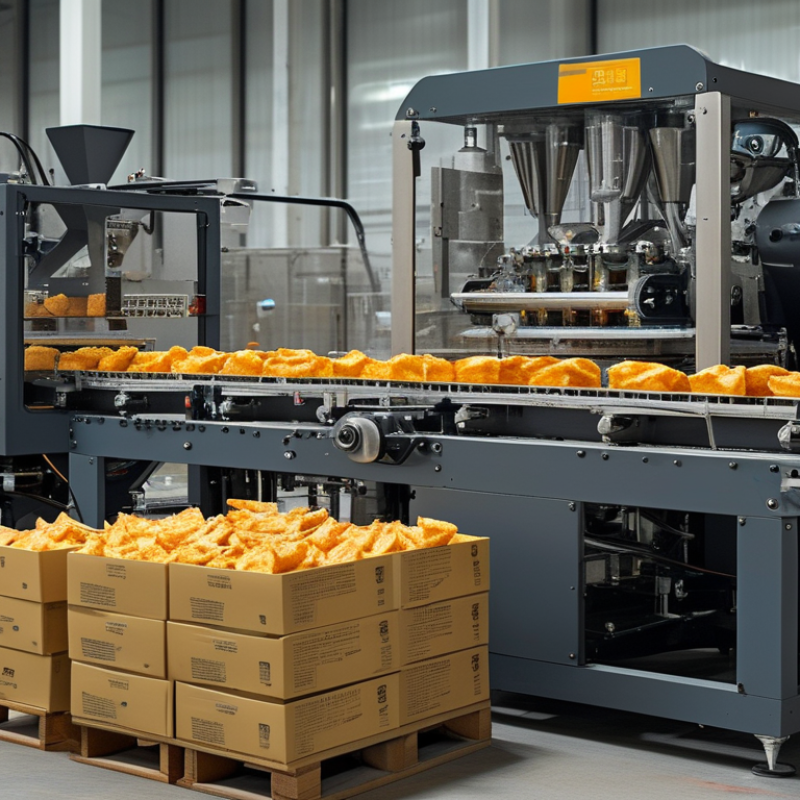
In 2026, the costs of food packaging machines will be influenced by several key factors. One significant element is technological advancements. As new technologies emerge, they often lead to increased efficiency and versatility in food packaging. Reports indicate that automated solutions can reduce labor costs by as much as 30%. This trend may drive up initial machine costs, but long-term savings will likely outweigh these expenses.
Additionally, material costs play a critical role in determining the overall price of packaging machinery. The fluctuation in the prices of steel and plastics can have a direct impact on machine manufacturing costs. According to industry forecasts, materials could rise by 8% to 12% due to supply chain constraints. This increase may push final prices higher for consumers, even if the machines are more efficient.
Furthermore, regulations surrounding food safety and environmental impact are tightening. Compliance with these standards may require additional features in packaging machines, increasing their costs. Manufacturers must invest in research and development to meet these requirements. The result is a pricing landscape that can vary widely based on a machine’s compliance capabilities. The landscape will continue to evolve, causing potential buyers to reassess their budgets and expectations as 2026 approaches.
When exploring food packaging machines in 2026, understanding the price ranges is crucial. The market offers various types, each with distinct features and costs. For instance, vacuum packaging machines, popular in both commercial and residential settings, typically range from $1,000 to $5,000. These machines preserve food longevity effectively, but may require additional investments in consumables.
Another category is automatic filling machines. These are essential for businesses looking to streamline their processes. Prices can vary widely, typically between $10,000 to $100,000, depending on capacity and automation level. According to a 2023 industry report, the demand for automatization in food packaging is projected to grow by 12% annually. This shift reflects the need for both efficiency and consistent product quality.
It's important to note that while initial costs can be high, long-term savings through reduced labor and fewer errors can offset the investment. Businesses should assess their specific needs carefully. This evaluation will help determine whether to invest in more advanced technology or choose simpler machinery for lower-volume production.
| Type of Food Packaging Machine | Price Range (USD) | Common Uses |
|---|---|---|
| Automatic Form-Fill-Seal Machine | $50,000 - $150,000 | Snacks, liquids, powders |
| Vertical Form-Fill-Seal Machine | $30,000 - $90,000 | Granules, herbs, grains |
| Box Packaging Machine | $40,000 - $120,000 | Cereals, frozen foods, confectioneries |
| Shrinking Packaging Machine | $25,000 - $70,000 | Bottles, canned goods, trays |
| Blister Packaging Machine | $60,000 - $200,000 | Pills, chocolates, snacks |
| Flow Wrapper Machine | $45,000 - $130,000 | Baked goods, candies, biscuits |
When considering food packaging machines, buyers often weigh their options between new and used models. New machines typically come with the latest technology. They offer warranties and support. However, they can carry a steep price tag. For small businesses, this might not be affordable.
Used packaging machines can be a practical alternative. They are more budget-friendly. Many have been refurbished to meet current standards. However, their reliability can vary widely. Some may require immediate repairs, leading to unexpected costs. It's crucial to inspect used machines thoroughly. Look for a history of maintenance and operation.
Ultimately, the choice depends on your business's needs and budget. New machines might be safer but are more costly. Used machines are economical but may require extra diligence. Weighing these factors carefully can lead to a well-informed decision.
As we approach 2026, understanding the dynamics influencing
food packaging machine costs becomes essential. One
significant trend is the shift towards sustainable packaging.
A report by Smithers Pira indicates that the sustainable packaging market will grow to
$500 billion by 2026. This growing demand pushes manufacturers to invest in eco-friendly
materials, driving up initial equipment costs.
Another key factor is automation. The adoption of advanced
robotics and AI in food packaging is set to increase efficiency. A recent study suggests that
automation can reduce labor costs by up to
30%. However, the initial investment for highly automated systems can be substantial.
Balancing these costs with long-term savings is crucial.
Additionally, the ongoing supply chain challenges affect pricing.
According to a report from the International Packaging Association, global supply chain disruptions could
add 15-20% to the cost of packaging machinery. Companies must evaluate their procurement
strategies to mitigate these risks and maintain competitive pricing. These evolving trends underscore the
complexities in predicting food packaging machine costs in
the upcoming years.
When budgeting for a food packaging machine in 2026, consider various additional costs beyond the initial purchase price. These costs can include maintenance and repair expenses. Over time, machines may require parts replacement or professional servicing. Regular maintenance ensures optimal performance and reduces downtime. Ignoring this aspect can lead to costly delays in production.
Another crucial factor is the cost of training your staff. Skilled workers are essential for operating sophisticated food packaging equipment effectively. Consider investing in comprehensive training programs. This will enhance productivity and minimize mistakes. Not all employees may adapt quickly, leading to potential waste and inefficiencies.
Additionally, packaging materials significantly impact your total budget. Different products require specific materials that can vary in price. Fluctuations in these costs can affect your overall expenses. It's essential to monitor market trends closely. This vigilance helps in making informed purchasing decisions. Lastly, think about utilities like energy and water. These ongoing costs can add up. Planning for these expenses will provide a clearer picture of your total investment in food packaging equipment.
: Key factors include technological advancements, material costs, and regulatory compliance. Each impacts overall pricing significantly.
New technologies improve efficiency. They may initially raise costs, but lead to long-term savings.
Fluctuating prices of steel and plastics can increase manufacturing costs. This may lead to higher prices for consumers.
Stricter safety and environmental regulations can increase machine costs. Compliance requires additional features and investment.
New machines offer the latest technology and support. Used machines are budget-friendly but may need repairs and inspections.
Consider maintenance, staff training, packaging materials, and utilities. These costs significantly affect your overall budget.
Regular maintenance is essential for optimal performance. Ignoring it can lead to costly delays in production.
Skilled workers are vital for efficient operations. Investing in training minimizes mistakes and boosts productivity.
Different products require specific materials, which can vary in cost. Monitoring market trends is essential for informed decisions.
Reliability can vary widely among used machines. Inspect their maintenance history to avoid unexpected repair costs.
In 2026, the question of "how much does a food packaging machine cost" will be influenced by several key factors. These include the type of machine, technological advancements, and the condition of the equipment, whether new or used. Various types of food packaging machines, such as vertical and horizontal form-fill-seal machines, will have different price ranges, impacting overall budgeting.
A critical consideration for businesses is the cost comparison between new and used machines. While used machines may present a lower initial investment, potential future repairs and maintenance could affect long-term expenses. Additionally, future trends in automation and sustainability will likely shape pricing dynamics. Businesses must also account for additional costs such as shipping, installation, and training when budgeting for food packaging equipment, ensuring a comprehensive financial plan for their packaging needs.

Nexa Machine