Effective maintenance of food packaging equipment is crucial for ensuring product quality and safety. According to a 2023 report by the Food Packaging Association, nearly 30% of equipment failures can be traced back to poor maintenance practices. This statistic highlights the importance of understanding how to maintain food packaging equipment properly.
Industry expert Dr. Emily Raines, a leading authority on food processing technology, emphasizes that “neglecting maintenance can lead to increased costs and compromised food safety.” Her insights reflect the reality that routine checks and properly scheduled maintenance can prevent larger issues down the line.
Focusing on the intricacies of how to maintain food packaging equipment can significantly enhance operational efficiency. Regular inspections, timely repairs, and staff training ensure that every component functions as intended. However, many companies fall short, often overlooking these essential practices. Maintaining consistency in equipment care is not just about avoiding breakdowns; it is integral to sustaining business integrity and consumer trust.
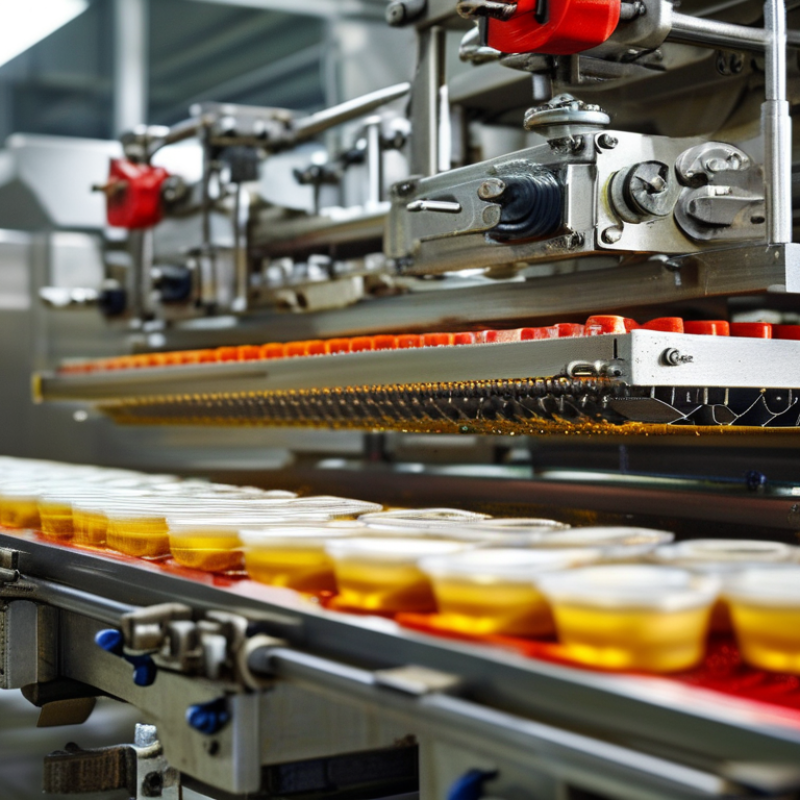
Regular maintenance of food packaging equipment is crucial for ensuring quality and safety in the food industry. A report from the Food Processing Industry shows that neglected equipment can lead to significant production delays. These delays not only diminish output but also increase operational costs. According to research, approximately 30% of food processing companies experienced machinery downtime due to a lack of regular maintenance.
Effective maintenance can increase equipment lifespan by up to 40%. Implementing a preventive maintenance schedule ensures that potential issues are identified early. Regular checks and adjustments keep machines running smoothly and reduce the risk of malfunctions. Workers should be trained to recognize signs of wear and tear. This awareness helps in addressing problems before they escalate.
Tips for maintaining your food packaging equipment include conducting routine inspections and maintaining a clean working environment. Ensure that all moving parts are lubricated and free from debris. Additionally, document all maintenance activities for future reference. This practice not only helps in tracking the condition of your equipment but also aligns with industry best practices. An organized maintenance log can serve as a reflection of your commitment to safety and quality in food packaging.
When maintaining food packaging equipment, understanding the key components is crucial. The main parts include sealing systems, conveyors, and control panels. Each of these components has unique maintenance needs. For instance, sealing systems require regular calibration to ensure optimal seal integrity. A failure in this area can compromise food safety. According to a report by PMMI, improper sealing can lead to a 25% increase in product spoilage rates.
Conveyors often face wear and tear due to constant movement. Issues such as misalignment can slow down production. Regular inspections and realignments can mitigate these risks. The National Association of Food Manufacturers (NAFM) emphasizes that addressing conveyor issues promptly can enhance efficiency by up to 15%. Control panels, on the other hand, require software updates and hardware checks to prevent malfunction. A lack of attention here can result in downtime, which is costly for operations.
Many manufacturers overlook these preventive measures. Ignoring maintenance can lead to significant financial losses. It can also harm a brand’s reputation if products do not meet safety standards. Regular training for staff on equipment handling is often neglected. This can create a cycle of equipment failure and increased repairs.
Cleaning and sanitizing food packaging equipment is essential for maintaining hygiene standards. Effective cleaning eliminates residues and prevents contamination. According to the Food Safety and Inspection Service, about 48 million people get sick from foodborne illnesses each year in the U.S. This highlights the need for proper sanitation protocols.
Begin with a thorough inspection of the equipment. Look for visible debris and other contaminants. Dismantle any removable parts for easier access. Use a vacuum or brush to remove loose particles. This step is crucial as surface cleaning alone may not suffice. After this, prepare a suitable cleaning solution based on guidelines from industry standards. The solution should be effective against bacteria and safe for food contact surfaces.
Post-cleaning, a sanitizing step is necessary. Use appropriate sanitizers that comply with health regulations. Allow each piece to air-dry after sanitization. This is critical, as moisture can lead to bacterial growth. Additionally, consider periodic validation of your cleaning methods. Adjustments may be needed over time. Monitoring cleaning efficacy helps in maintaining compliance with food safety standards. Making regular reviews can improve overall equipment reliability.
Food packaging equipment can face various issues that may impede its efficiency. Common problems include
misalignment of packaging materials, inconsistent sealing, and mechanical failures. Misalignment often happens due to worn-out rollers or guides.
Regular inspections help identify these issues early. Keeping an eye on wear and tear in crucial components is vital.
Inconsistent sealing can lead to product spoilage. Checking heating elements and ensuring they function properly is crucial.
Operators should inspect seals frequently for gaps or weak points. They should also calibrate machines regularly.
Mechanical failures can occur due to neglect. Lubrication of moving parts is essential for smooth operation. Teams should develop a preventive maintenance schedule to avoid prolonged downtime.
Mistakes in packaging processes can create reflections on overall quality. Teams should document errors and analyze root causes. Mistakes happen, but acknowledging them fosters improvement.
Small changes in routine can yield significant benefits. Effective troubleshooting requires teamwork and diligence to enhance operational reliability.
Training staff on food packaging equipment maintenance is crucial. According to a report from the Food Processing Institute, nearly 30% of equipment failures stem from inadequate training. This highlights the importance of thorough and ongoing training programs.
One effective approach is using hands-on demonstrations. When employees can practice on the equipment, they gain confidence and competence. Create a checklist for maintenance tasks, making it accessible. This checklist should detail daily, weekly, and monthly tasks. It ensures that no critical steps are overlooked.
Tips: Involve your team in training sessions. Encourage them to voice concerns about maintenance processes. Regular feedback can address gaps in understanding.
Another key practice is scheduling regular refresher courses. As equipment upgrades occur, staff must stay informed. A lack of knowledge about new features can lead to mishaps. According to industry experts, companies with ongoing training see a 15-20% reduction in equipment downtime.
Tips: Pair experienced staff with newer team members. This mentorship can deepen understanding and strengthen team cohesion. Real-world experience complements theoretical knowledge greatly.
: Cleaning packaging equipment is crucial to prevent contamination and maintain hygiene standards.
Inspect the equipment for visible debris and contaminants. This ensures thorough cleaning.
Use a vacuum or brush for loose particles before applying cleaning solutions. Surface cleaning may not be enough.
Prepare a cleaning solution based on industry guidelines. It should effectively kill bacteria and be safe for food surfaces.
Sanitizing removes any remaining bacteria. Allow equipment to air-dry to prevent moisture-related bacterial growth.
Provide hands-on demonstrations. This builds confidence and competence among employees.
Create an accessible checklist for maintenance tasks. It helps staff remember critical steps.
Schedule regular refresher courses, especially after equipment upgrades. This keeps staff informed about new features.
Involve the team in training, allowing them to voice concerns. Regular feedback is essential for improvement.
Mentorship enhances understanding and fosters teamwork. Real-world experience greatly complements theoretical knowledge.
Effectively maintaining food packaging equipment is crucial for ensuring product quality and safety. Regular maintenance helps prevent breakdowns, extends equipment lifespan, and reduces operational costs. Key components of food packaging equipment require specific care, including routine inspections and timely repairs to ensure optimal function.
To properly clean and sanitize packaging equipment, a systematic approach should be followed, which includes disassembling parts, using appropriate cleaning agents, and thorough rinsing. Common issues like jams or mechanical failures can often be addressed through straightforward troubleshooting steps. Additionally, training staff on proper maintenance procedures is essential for fostering a culture of diligence and ensuring all equipment is handled proficiently. By understanding how to maintain food packaging equipment, organizations can enhance efficiency and maintain high standards in food safety.

Nexa Machine