In today's competitive landscape, optimizing packaging lines is essential for businesses looking to boost efficiency and output. Efficient packaging operations directly affect product quality and profitability. Companies are increasingly pressed to maximize production while minimizing waste. This leads to a critical question: how to optimize packaging lines for higher output?
Many organizations struggle with outdated processes and equipment. These challenges can lead to slower production times and increased costs. Embracing modern technologies and innovative practices can make a significant difference. Implementing automation, workflow analysis, and continuous improvement practices can help identify bottlenecks and streamline operations.
However, optimization isn’t always straightforward. Businesses must assess their unique needs and constraints carefully. It's important to involve team members in discussions. Their insights can provide valuable perspectives on current processes. Overall, balanced integration of technology and human input is a pathway to achieving higher output.
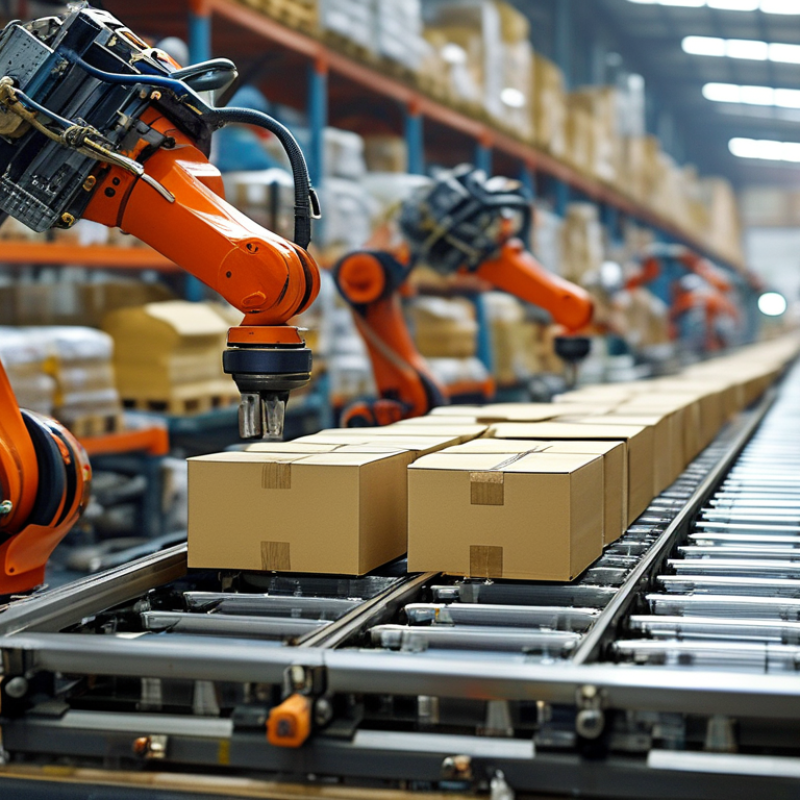
Optimizing packaging lines is critical for boosting productivity and efficiency. Packaging lines must adapt to evolving demands. A well-optimized line minimizes downtime and errors. This directly increases output and aligns with market expectations. Focusing on speed and reliability can streamline the entire process.
Incorporating advanced technologies can enhance operations. Automation and real-time monitoring are powerful tools. These help identify inefficiencies quickly. However, relying solely on technology may lead to oversight of human factors. Training employees is equally important. They must understand the technology and adapt to changes.
Continuous evaluation is essential. Regularly assessing workflows can unveil areas for improvement. A rigid approach can hinder progress. Being flexible and open to change fosters innovation. Reflecting on past inefficiencies will guide future decisions, paving the way for stronger packaging lines.
Optimizing packaging lines is crucial for improving efficiency. Key factors can significantly impact output. According to a recent industry report by the Food and Beverage Industry Association, companies lose up to 20% of potential productivity due to suboptimal packaging processes. This inefficiency affects costs and lead times.
One critical element is equipment reliability. High maintenance downtime leads to production delays. A study indicated that unplanned downtime can cost manufacturers up to $400,000 per year. It's essential to monitor machine performance continually and invest in predictive maintenance technologies. Staff training also plays a vital role. Well-trained operators can enhance efficiency, cutting errors by 15% or more.
Another influencing factor is streamlined workflow. A lack of proper layout can lead to bottlenecks. Research shows that improving workflow can boost productivity by as much as 25%. Implementing lean principles can help identify waste in processes. While some companies have success, others still struggle with resistance to change. Finding the right balance between optimization and operational stability often requires ongoing reflection and adjustment.
Optimizing packaging lines can significantly boost output efficiency. To achieve this, companies should focus on a few key strategies. One effective way is to evaluate current processes. Identify bottlenecks that slow down productivity. Sometimes, machines can operate at full capacity, yet delays linger in manual tasks. Checking every station in the line is crucial.
Another strategy involves investing in technology. Automation can streamline various packaging tasks. Robotics and smart sensors can improve accuracy and speed. However, the initial costs can be daunting. It’s essential to weigh the long-term benefits against these upfront expenses. Training staff to work with new technologies may also present challenges. Employees might resist change, which can lead to temporary slowdowns.
Finally, continuous feedback is vital. Encourage open communication among workers on the line. Their experiences can shed light on inefficiencies that management may overlook. Small adjustments can yield substantial improvements. Regularly revisiting the optimization process helps maintain efficiency and relevancy. The goal is to create a packaging line that not only performs well but also adapts to changing demands.
Optimizing packaging lines can significantly enhance productivity and operational efficiency. Recent industry reports indicate that improved packaging processes can boost output by 15-30%. This increase translates directly to higher revenue, as more products are ready for distribution. A careful evaluation of current packaging setups can reveal inefficiencies and bottlenecks that hinder performance.
Measuring output improvements requires accurate data collection. Advanced analytics can track key performance indicators (KPIs), such as production speed and error rates. Regular analysis helps identify trends and areas needing adjustment. Without this data, it’s easy to overlook crucial elements affecting output.
Tips: Consider investing in automated systems to reduce manual errors. Regular training for staff can also help maintain high standards. Implement small, incremental changes rather than large-scale overhauls. This approach minimizes disruption and allows for continuous improvement.
In an industry where every second counts, optimizing packaging lines is essential. However, decision-makers must remain vigilant and adaptable. Challenges will arise, and reflection on processes is necessary to sustain long-term success.
Optimizing packaging lines can significantly enhance productivity and efficiency. Several companies have witnessed remarkable improvements after reevaluating their processes. One such case involved a medium-sized food manufacturer. By upgrading their packaging machinery and incorporating automation, they saw a 30% increase in output. This change reduced the time spent on manual labor and minimized errors.
Another success story comes from a cosmetics company. They implemented lean manufacturing strategies to streamline their packaging workflows. After analyzing their operations, they identified bottlenecks and eliminated unnecessary steps. This not only boosted their output by 25% but also improved the morale of their workforce. Employees felt more engaged in a smoother process.
However, the journey to optimization is not without challenges. Companies often face resistance to change, especially from long-term employees accustomed to old methods. It takes time to train staff and integrate new systems. Reflecting on these hurdles is crucial for sustainable improvement. Addressing employee concerns and fostering a culture of adaptability will ensure ongoing success in packaging line optimization.
: Key factors include equipment reliability, staff training, and streamlined workflow.
High maintenance downtime can lead to significant production delays and loss of revenue.
Unplanned downtime can cost manufacturers up to $400,000 per year.
Well-trained operators can enhance efficiency and reduce errors by 15% or more.
A streamlined workflow can increase productivity by as much as 25%.
Advanced analytics track key performance indicators to identify trends and areas needing adjustment.
Implement small, incremental changes to minimize disruption and ensure continuous improvement.
Challenges may arise, and reflection helps sustain long-term success and operational stability.
Consider investing in automated systems to enhance consistency and output quality.
Large-scale changes may lead to significant disruption, impacting efficiency negatively.
Optimizing packaging lines is essential for enhancing operational efficiency and increasing productivity. Understanding the importance of packaging line optimization involves recognizing the key factors that affect efficiency, such as machinery performance, workflow design, and staff training. Companies must focus on strategies for implementing these optimizations, which may include investing in advanced technologies, refining processes, and providing targeted training for employees.
To truly measure the impact of optimizations, businesses should analyze output improvements through performance metrics and benchmarks. Success stories from various industries illustrate the tangible benefits gained from effectively optimizing packaging lines. By following best practices on how to optimize packaging lines for higher output, organizations can achieve significant advancements in their production capabilities and overall profitability.

Nexa Machine