Reducing packaging costs in food manufacturing is crucial for maintaining competitiveness. According to industry expert Emma Johnson, “Effective packaging strategies directly impact a company’s bottom line.” High packaging expenses can erode profit margins. Manufacturers often overlook the significance of optimizing packaging.
In today's market, consumers demand sustainability. This creates a challenge for food manufacturers as they try to balance costs and environmental concerns. One mistake companies make is using excessive materials. It's essential to evaluate packaging designs carefully.
Employing innovative materials and efficient designs can yield significant savings. Maintaining quality while cutting costs requires expertise and creativity. Developing a strategy on how to reduce packaging costs in food manufacturing involves a thorough analysis of current practices. Companies must constantly seek improvements rather than settling for the status quo.
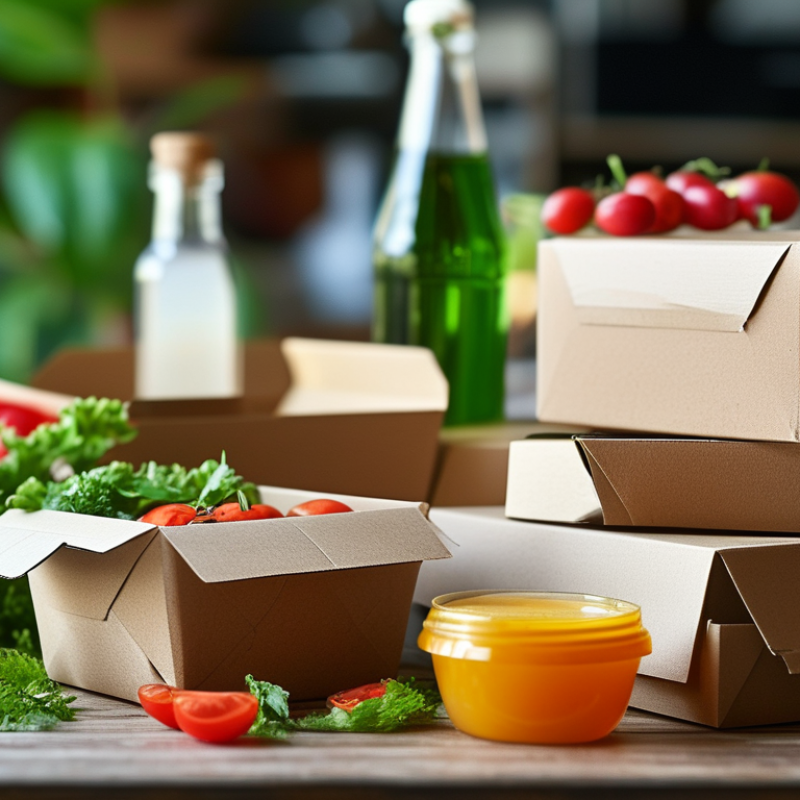
Packaging plays a critical role in food manufacturing, influencing both product quality and cost management. According to a MarketsandMarkets report, efficient packaging solutions can reduce overall production costs by up to 15%. This impact is significant for companies aiming to optimize their budgets while maintaining product integrity. In a competitive market, minimizing wasted materials through effective design is essential.
A study by the Food Packaging Association highlights that 30% of packaging waste comes from unsustainable practices. Companies must transition to eco-friendly materials to save costs and meet consumer expectations. This reflects the growing demand for sustainable practices within the industry, as 66% of consumers are willing to pay more for sustainable brands.
Tips: Focus on smart-sizing packaging to minimize excess material. Consider reusing packaging in supply chains. Collaborating with suppliers can yield innovative solutions that lower costs. Experimenting with technology, such as track-and-trace systems, can identify inefficiencies in the packaging process. These strategies ensure that cost management is not just about cutting expenses but also enhancing overall effectiveness in the food manufacturing sector.
Reducing packaging costs is an urgent matter for food manufacturers. High packaging expenses can severely affect profit margins. In a competitive market, every cent counts. When packaging consumes a large portion of the budget, less is available for crucial aspects like quality and innovation. Many food manufacturers find themselves trapped in a cycle of escalating costs.
Efficient packaging does not mean compromising quality. In fact, it allows businesses to allocate resources more effectively. For example, minimalist designs often use fewer materials, yet they still protect the product. This not only saves money but also appeals to eco-conscious consumers. Also, investing in automation can help streamline the packaging process. It may reduce labor costs and minimize waste.
Tips: Consider alternative materials that are both cost-effective and sustainable. Explore opportunities to reuse packaging, which can lower costs. Regularly analyze operational costs to identify areas for improvement. Engaging with suppliers about bulk purchasing can significantly reduce expenses. Every step taken toward reducing packaging costs can directly enhance profit margins.
| Packaging Type | Average Cost per Unit (USD) | Impact on Profit Margin (%) | Sustainability Rating (1-5) |
|---|---|---|---|
| Plastic Packaging | 0.10 | 5.0 | 2 |
| Cardboard Packaging | 0.15 | 4.2 | 4 |
| Glass Packaging | 0.30 | 3.5 | 5 |
| Metal Packaging | 0.25 | 4.0 | 3 |
| Biodegradable Packaging | 0.20 | 4.8 | 5 |
Reducing packaging costs is crucial for food manufacturers. This challenge requires a blend of creativity and strategic thinking. One effective strategy is to utilize lighter materials. Lighter packaging reduces shipping costs. It also lowers the carbon footprint. However, ensuring the structural integrity of the package is vital. Fragile packaging can lead to increased waste and dissatisfaction.
Another approach involves redesigning packaging shapes. Custom designs can optimize storage and shipping. They should allow better stacking and reduce wasted space. Incorporating multi-use packaging also promotes sustainability. Consumers appreciate this effort, but it may require higher initial investment.
Furthermore, collaboration with suppliers can lead to innovative solutions. Working closely can uncover cost-saving materials. However, manufacturers must assess quality carefully. Balancing cost and quality is a constant challenge. Overemphasizing cost-cutting might compromise the product's integrity. Thus, evaluating these strategies rigorously is essential for lasting success.
Sustainable packaging solutions play a crucial role in reducing costs in food manufacturing. Companies face increasing pressure to lower expenses while maintaining product quality and safety. Transitioning to eco-friendly materials often leads to savings in production and transportation. For example, lighter packaging means lower shipping costs.
Many manufacturers are also embracing innovative designs that minimize material waste. This not only cuts raw material costs but also aligns with consumer preferences for sustainability. By using biodegradable or recyclable materials, companies can attract eco-conscious customers. Yet, the transition requires upfront investment and careful planning.
Despite the benefits, challenges remain. Some sustainable materials can be more expensive upfront. Manufacturers need to evaluate long-term savings versus initial expenditures. Additionally, there is often a learning curve when implementing new packaging processes. Collaboration with suppliers can improve knowledge sharing. Finding the right balance between cost and sustainability is essential for success.
Cost reduction in packaging is a critical focus for food manufacturers. Real-world examples show the impact of smart strategies. One manufacturer reduced their packaging size, which cut costs and minimized waste. This change not only saved money but also appealed to eco-conscious consumers. Another company switched to alternative materials that were cheaper yet maintained product integrity.
Tips: Consider evaluating your current packaging processes. Identify waste and inefficiencies. Engage your team in brainstorming sessions for innovative solutions.
In some instances, companies faced pushback when implementing changes. Employees were concerned about product safety. Transparency in the process helped ease their fears. A gradual approach sometimes works better, allowing for adjustments along the way. Trying various options can lead to unexpected advantages. Don't shy away from experimenting with unconventional ideas.
Tips: Test new materials on a small scale before a full launch. Gather feedback and adjust accordingly. Continuous improvement is vital in this competitive landscape.
: High packaging costs can significantly reduce profit margins, leaving less budget for quality and innovation.
Minimalist designs use fewer materials and protect products, saving money and attracting eco-conscious consumers.
Investing in automation can lower labor costs and reduce waste in the packaging process.
Look for alternative materials that are cost-effective and sustainable to lower overall expenses.
Regular analysis of operational costs can help spot areas that need improvement to reduce expenses.
Reusing packaging and exploring bulk purchasing options can significantly cut costs and waste.
Employees may worry about product safety; transparency can help ease their concerns during the change.
Yes, testing new materials on a small scale can lead to unexpected advantages and improvements.
Constantly seeking better methods is crucial to staying competitive and enhancing profit margins.
Engaging in brainstorming sessions can inspire creative solutions to cut costs in packaging.
Reducing packaging costs is vital for the competitiveness and profitability of food manufacturers. High packaging costs can significantly eat into profit margins, making it essential for companies to explore how to reduce packaging costs in food manufacturing effectively. This involves implementing strategic measures that not only minimize expenses but also maintain the quality of products.
Sustainable packaging solutions play a crucial role in this process, as they can help reduce costs while aligning with consumer demand for environmentally friendly practices. By learning from successful case studies, food manufacturers can adopt innovative approaches to packaging that enhance efficiency and reduce waste, ultimately leading to improved financial performance.

Nexa Machine