Choosing the right food packaging machine can be daunting. With so many options available, it’s essential to understand the key factors involved. This article focuses on how to choose the right food packaging machine. By considering your specific needs, you can make an informed choice.
Start by assessing your production capacity. Determine how much product you need to package daily. This will help you narrow your options. Look into the different types of machines available, such as vertical and horizontal form-fill-seal machines. Each type serves different purposes.
Don’t overlook the importance of materials. The type of packaging you want will dictate the machine requirements. Think about sustainability and cost-effectiveness. Is the packaging durable enough for transport? Reflect on these questions. A thorough analysis will lead to a more suitable selection.
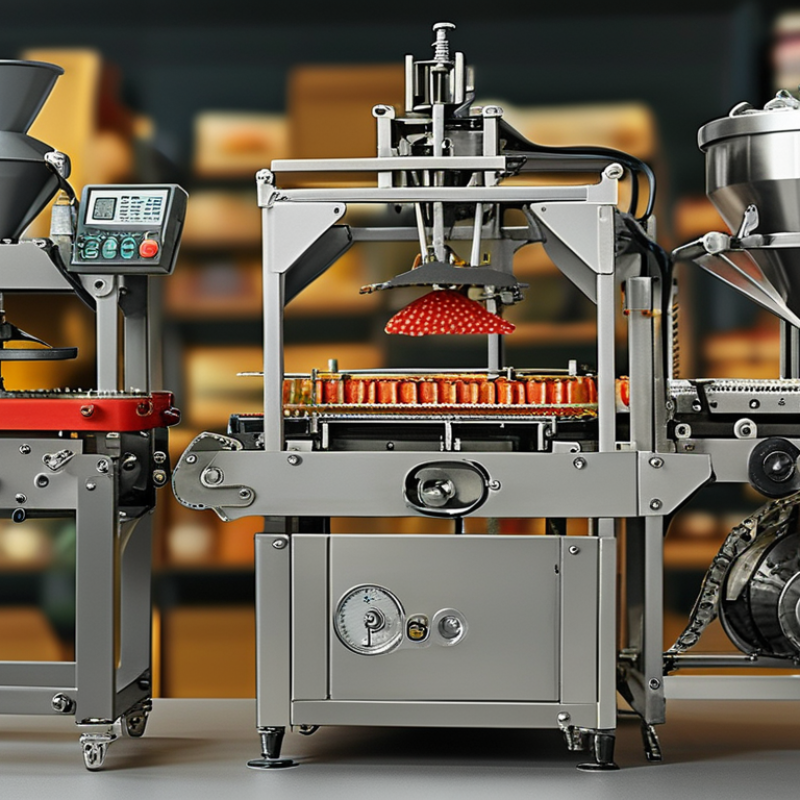
When exploring food packaging machines, it’s crucial to understand the various types available. Each machine serves unique purposes. For instance, flow wrappers excel in wrapping products quickly. Vacuum sealers help preserve freshness by removing air. Then there are pouch fillers that offer flexibility for different food types. Knowing what you need is key.
Consider your production scale. Smaller businesses may opt for manual machines, which require more labor but are cost-effective. Larger operations might invest in fully automated systems for speed and efficiency. Assessing your operational needs can guide you to the right choice. Flexibility is also important; machines with versatile settings can adjust to different food shapes and sizes.
When selecting a machine, think about user interface and ease of cleaning. Complicated machinery can slow down production. Look for equipment that simplifies operation. Maintenance is essential too—make sure replacement parts are accessible. Not all machines are equal; some may struggle with certain food types. It’s worth reflecting on your specific requirements before making a commitment. The right machine should align with your business goals and product needs.
When selecting a food packaging machine, understanding
production capacity and speed is vital. According to a recent industry report, more than 60%
of manufacturers face challenges in meeting demand due to inadequate machine throughput.
Evaluating your production needs ensures that you invest in a machine
that aligns with your output goals.
When considering production capacity,
assess both current and future needs. An ideal machine should handle your existing volume
and allow for growth. For example, if your business can produce 1,000 units daily,
choose a machine with at least a 20% higher capacity.
This extra margin can prevent bottlenecks in production, especially during peak seasons.
Speed is another critical factor. Machines vary in speed, with some operating around 30 packs
per minute, while others reach upwards of 100. However, faster machines may not always
deliver better results. They could compromise product integrity if not properly calibrated.
It's essential to strike a balance between speed
and quality.
Evaluate your unique needs. Think about the types of products you'll package. Different food
items require tailored solutions. Prioritize machines that offer flexibility to accommodate
various packaging types. Investing in a versatile machine can yield better efficiency in the
long run.
Choosing the right food packaging machine involves many critical factors. One key aspect is assessing material compatibility for food safety. Food packaging is not just about aesthetics; it must also prioritize the health of consumers. Certain materials can interact negatively with food products, potentially leading to contamination or spoilage.
Different food types have unique packaging needs. For instance, acidic foods may react poorly with specific plastics, causing harmful substances to seep in. Research indicates that many food safety incidents stem from inadequate material choices. It's essential to conduct thorough testing to ensure that the selected materials do not compromise food integrity. Regular evaluations of packaging materials should be standard practice.
Understanding regulations is crucial as well. Standards vary across regions and types of food. Non-compliance can result in product recalls or legal issues. A meticulous approach to selecting compatible materials can enhance safety and promote brand trust. This process often requires more effort than anticipated, and inconsistencies can arise. Nevertheless, striving for the best possible choice significantly benefits both the producer and the customer.
| Tip Number | Tip Description | Material Type | Compatibility | Food Safety Regulation |
|---|---|---|---|---|
| 1 | Evaluate the type of food being packaged | Plastic | High | FDA approved for food contact |
| 2 | Check for chemical leaching risks | Glass | Very High | Meets all safety standards |
| 3 | Consider the shelf life of the food | Metal | High | Compliant with USDA guidelines |
| 4 | Assess environmental impact | Biodegradable materials | Moderate | Eco-label certifications available |
| 5 | Test for temperature tolerance | Composite materials | High | Compliant with EU regulations |
Choosing the right food packaging machine involves a deep analysis of budget and total cost of ownership. Understanding the upfront price is just the beginning. A thorough cost evaluation will include ongoing maintenance, operational efficiency, and potential downtime. Industry reports indicate that approximately 20% of a machine's total cost comes from maintenance alone. The need for spare parts and regular servicing can accumulate quickly over time.
Operational efficiency is also crucial. Machines with higher throughput can reduce packaging time, directly impacting production costs. According to a report by the Packaging Machinery Manufacturers Institute, a 15% increase in efficiency can lead to significant savings over the lifespan of the equipment. However, one must also consider the costs associated with energy consumption. Machines that consume more energy can inflate monthly utility bills, creating hidden expenses.
It’s essential to factor in scalability as well. A machine that meets current demands might not suffice in a year or two. Investing in scalable technology can mitigate future costs. However, initial investments might feel overwhelming. Reflecting on whether the right balance between cost and functionality is achieved remains an ongoing challenge in equipment selection.
When selecting a food packaging machine, maintenance, support, and warranty options are crucial factors. Machines can have breakdowns, and regular maintenance is important for optimal performance. A reliable supplier should provide clear maintenance guidelines. Detailed user manuals can help operators perform basic checks and troubleshooting. Understanding the frequency and type of maintenance required can prevent costly downtimes.
Support options should also be a priority. Look for manufacturers that offer robust customer service. Quick response times can minimize disruption in production. Some companies provide remote support, which can be an efficient solution. Ensure that you understand the process for reaching out for help, especially during emergencies.
Warranty options vary. A longer warranty often indicates the manufacturer's confidence in their product. However, check what the warranty covers. Does it include parts, labor, or both? Limitations could affect your investment in the long run. Some businesses find themselves needing repairs shortly after a warranty expires. Reflecting on these considerations can lead to a more informed purchase decision.
: Material compatibility is crucial to prevent contamination and spoilage of food products.
Using inappropriate materials can lead to harmful substances seeping into food, risking consumer health.
Regular testing and evaluations should ensure materials do not compromise food integrity.
Yes, regulations vary across regions. Non-compliance can lead to product recalls and legal problems.
Regular maintenance is vital. Clear guidelines and user manuals help prevent costly downtimes.
Reliable customer support and quick responsiveness minimize production disruptions during issues.
Understand what the warranty covers. Check for parts, labor, and any limitations.
Generally, a longer warranty suggests the manufacturer has confidence, but verify coverage details.
The selection process may require more effort than anticipated, leading to inconsistencies.
Continuous evaluation helps maintain compliance, safety, and consumer trust while avoiding future issues.
When considering how to choose the right food packaging machine, it's essential to understand the various types available in the market. Each machine has specific functions tailored to different food items, so identifying the best fit for your products is crucial. Additionally, evaluating production capacity and speed requirements will ensure that the machine can meet your business demands while maintaining efficiency.
Another important factor is assessing material compatibility to guarantee food safety and compliance with industry standards. Furthermore, analyzing your budget alongside the total cost of ownership will help you make a sound financial decision. Lastly, considering maintenance, support, and warranty options can safeguard your investment and ensure smooth operations over time. By carefully considering these elements, you can make an informed choice that aligns with your production needs and objectives.

Nexa Machine