Explore our industry-proven, high-precision packaging systems optimized for maximum OEE (Overall Equipment Effectiveness) across food, pharma, and chemical production environments.
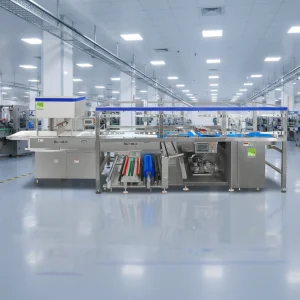
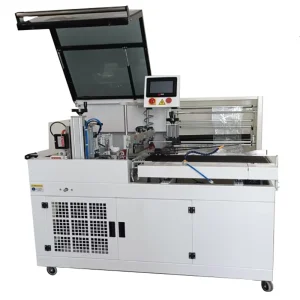
In modern manufacturing ecosystems, the packaging phase is no longer merely a logistical end-point but a critical component of brand preservation, product safety, shelf-life extensions, and production-line OEE (Overall Equipment Effectiveness). As the global packaging machinery market is projected to expand significantly, reaching new benchmarks in automation and throughput, specialized solutions have taken center stage. Industrial machinery must adapt to increasingly complex demands, including modified atmosphere packaging (MAP), high-speed vertical form fill seal (VFFS) setups, and micro-precision weighing algorithms.
Ningbo Nexa Machine Co., Ltd. has established itself as an engineering powerhouse in this dynamic landscape, driving state-of-the-art developments in automatic packaging systems and custom automated processing integrations. By combining robust mechanics with cutting-edge electronics, Nexa Machine designs high-performance packaging systems that align with global safety standards, including CE certifications, ISO compliance, and food-grade safety parameters.
Industries worldwide—ranging from fast-moving consumer goods (FMCG) and bulk agricultural shipping to sterile pharmaceutical distribution—require precise, reliable, and durable packaging machinery. Traditional one-size-fits-all hardware is rapidly becoming obsolete. Today's global market demands tailored integration:
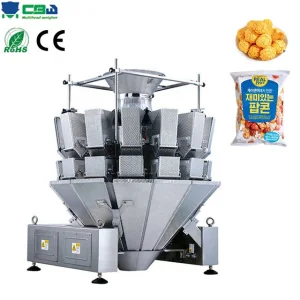
For fragile products like potato chips, dry fruits, and puffed snacks, multi-head weighing scales combined with continuous high-speed flow wrappers are critical. These machines minimize physical impact while ensuring hermetic sealing with nitrogen gas flushing to prevent product oxidation and maximize shelf-life.
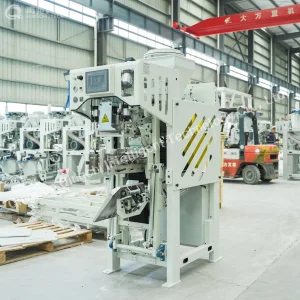
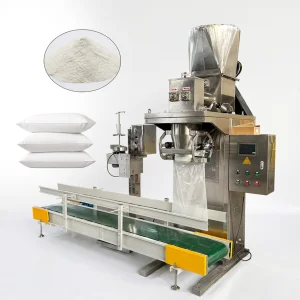
Industrial packaging for construction elements, such as dry mortar, cement, and chemical additives, poses significant wear-and-tear challenges. Equipment like automatic valve bag dry powder packing machines must feature dust-suppression systems, heavy-duty pneumatic valves, and wear-resistant contact materials to handle abrasive agents while maintaining weight accuracy.
High-barrier films, rigid food tray sealers, and vacuum thermoforming technologies have revolutionized food preservation. From cheese slices to raw beef and fresh fish, thermoforming machinery draws plastic film into customized cavities, extracts oxygen to create a vacuum, or introduces specific gas mixtures, drastically extending product longevity without chemical preservatives.
"The modern packaging paradigm centers on waste reduction. Implementing intelligent automation reduces film waste by up to 25% and cuts structural production downtime by ensuring that seal temperatures, pneumatic pressure, and dosing speeds dynamically calibrate to material properties."
Designing high-end machinery requires deep domain knowledge across multiple physical disciplines: thermodynamics for precision sealing, kinematics for fast servo control, and fluid dynamics for powder and paste dosing.
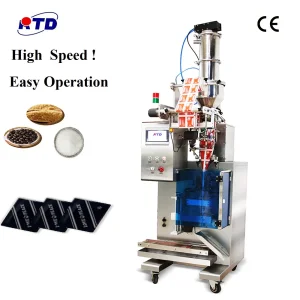
These systems represent the core of vertical packaging workflows. A flat sheet of roll-fed film is pulled over a forming tube, shaped into a bag, sealed vertically, filled, and sealed horizontally. High-precision sensor arrays ensure that the film tracks centrally without skewing, while integrated thermal-print encoders apply regulatory batch codes dynamically.
Ideal for solid items like bakery goods, cookies, chocolate bars, and soap, horizontal flow wrapping machines deploy rotary sealing jaws or box-motion cutters. Precise sync between the product infeed conveyor and the film-feeding unit guarantees that each item is wrapped symmetrically without product-in-jaw collisions.
Vacuum packaging removes air before sealing, preserving delicate aromas and preventing mold. Skin packaging takes this concept a step further by heating a flexible upper film, which then conforms tightly to the product like a second skin, preventing liquid migration and presenting the product in its most natural visual state.
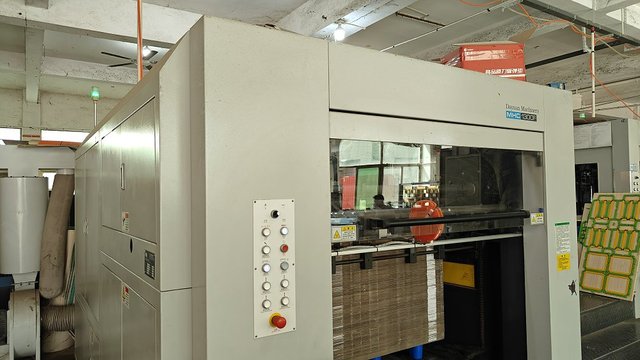
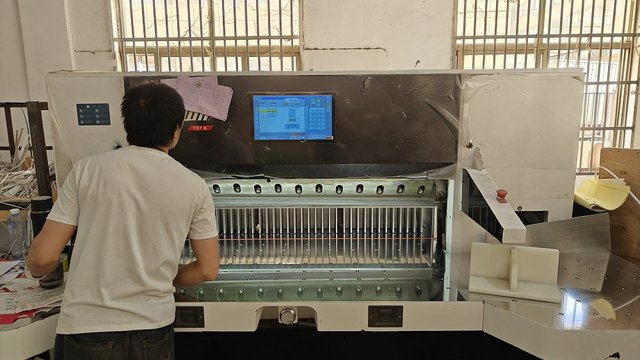
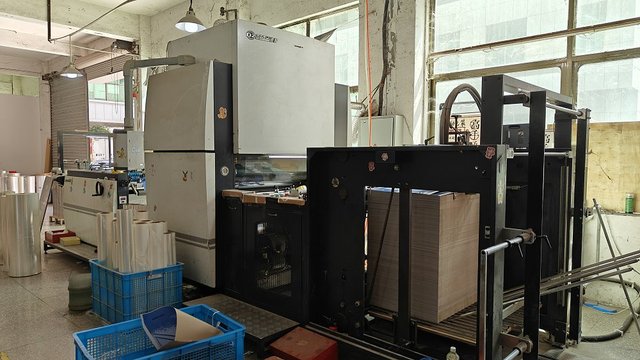
As industrial ecosystems advance toward Industry 4.0, packaging machinery is evolving from mechanical assemblies into cyber-physical units:
Continuous monitoring of seal temperatures, pressure changes, and motor torque to enable predictive maintenance and reduce unplanned downtime.
 Nexa Machine