Engineered to bring unique physical pack layouts, high barrier seals, and custom container configurations to structural realization.
In the globalized fast-moving consumer goods (FMCG) market, packaging is no longer just a protective container; it is a critical vehicle for brand equity, product safety, and shelf differentiation. Modern custom packaging design relies heavily on mechanical innovation. Without advanced, stable, and highly programmable packaging machinery, even the most innovative and eco-friendly structures remain locked as static concepts in CAD files.
For procurement officers, mechanical engineers, and brand strategists searching for the top manufacturing partners in China, the key objective is to identify facilities that seamlessly integrate structural design flexibility with robust high-speed automation. The mechanical tolerance, precision of thermal sealing elements, and integration of smart PLCs define whether a custom pouch, shaped sachet, or thermoformed tray can be produced with high yield rates and zero-defect quality profiles.
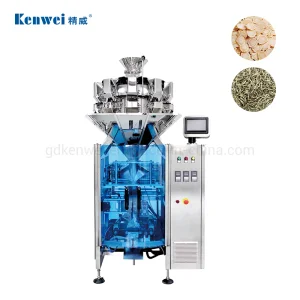
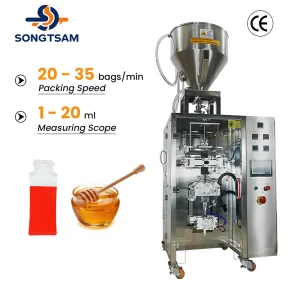
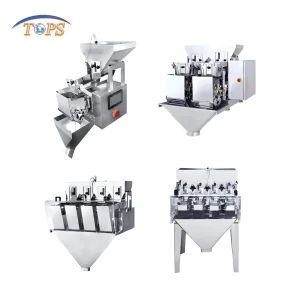
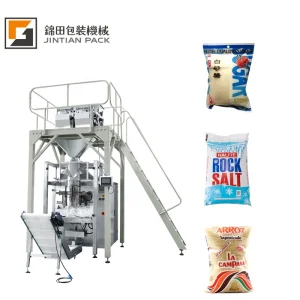
A custom design's viability is determined by the physical capabilities of the packaging factory's machinery. Complex shapes (like custom honey sticks or ergonomic pouches) demand high-precision multihead weighing alignment and flawless vertical form-fill-seal (VFFS) systems. Similarly, MAP (Modified Atmosphere Packaging) formats require highly optimized gas-flushing valves to keep internal oxygen levels under 1%. The manufacturing plant must possess engineering capabilities to configure machines to handle bespoke film structures, bioplastics, and custom-formed rigid trays.
Integrated tension controls and precise servomotors prevent film stretching, ensuring that custom branded artwork aligns perfectly across complex folds and seals.
Sophisticated heat-sealing jaws maintain constant temperature and pressure curves, preventing micro-leaks in customized packaging formats.
Quick-change tooling configurations reduce transition times down to minutes, rendering low-volume, high-mix custom packaging runs commercially viable.
How geographic manufacturing hubs, vertical integration, and extensive mechanical clusters empower global brand sourcing.
China's packaging machinery ecosystem operates through a highly integrated hub model. Coastal regions—specifically Zhejiang and Guangdong provinces—harbor deep industrial clusters where mechanical component fabricators, PLC programmers, metallurgical specialists, and assembly factories operate within close proximity. This geographic density drastically reduces lead times for raw materials and pneumatic elements, allowing factories to build, optimize, and customize advanced packaging lines much faster than Western competitors.
Furthermore, Chinese packaging machinery manufacturers have moved beyond basic mechanical copycats to pioneer advanced patents in multi-lane high-speed bagging, rotary cup sealing, and complex thermoforming technologies. By coupling local supply-chain efficiencies with extensive R&D budgets, Chinese factories deliver machines with similar reliability ratings to European equivalents at a fraction of the capital expenditure (CapEx).
A premier Chinese manufacturing entity specializing in integrated global food packaging configurations.
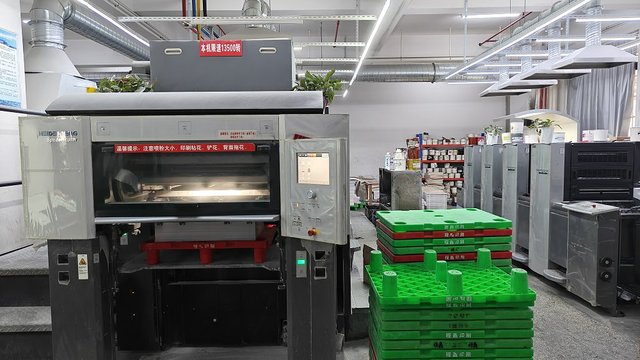
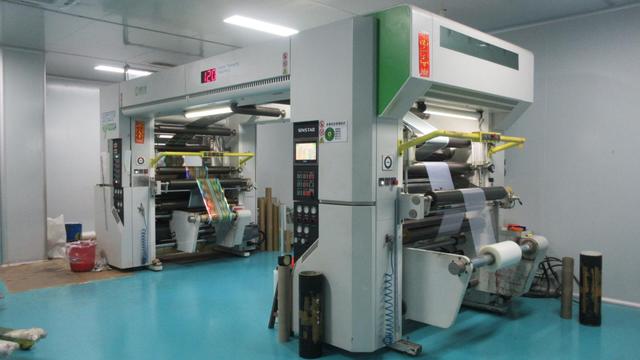
Ningbo Nexa Machine Co., Ltd. is a leading China food packaging machine manufacturer specializing in the design, development, production, and supply of automatic packaging systems and integrated packaging solutions for the global food industry. With years of industry expertise and a commitment to technological innovation, Nexa Machine delivers reliable, efficient, and intelligent packaging equipment to customers worldwide.
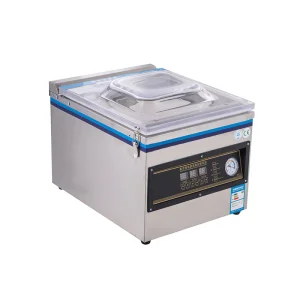
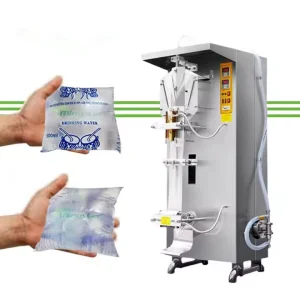
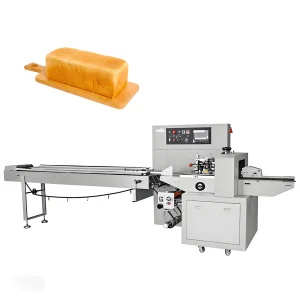
Our extensive product portfolio includes vertical form fill seal machines, vacuum packaging machines, pouch packaging systems, tray sealing machines, thermoforming packaging machines, sachet packaging machines, flow wrapping machines, cartoning machines, weighing and filling systems, and fully automated packaging lines. These solutions are widely used in the packaging of snacks, frozen foods, bakery products, confectionery, dairy products, powders, granules, liquids, pet food, and other food applications.
Driven by innovation, Ningbo Nexa Machine continuously invests in advanced manufacturing technologies and research and development capabilities. Our experienced engineering team develops high-performance packaging equipment featuring intelligent control systems, precise filling accuracy, stable operation, energy efficiency, and user-friendly interfaces to meet diverse production requirements.
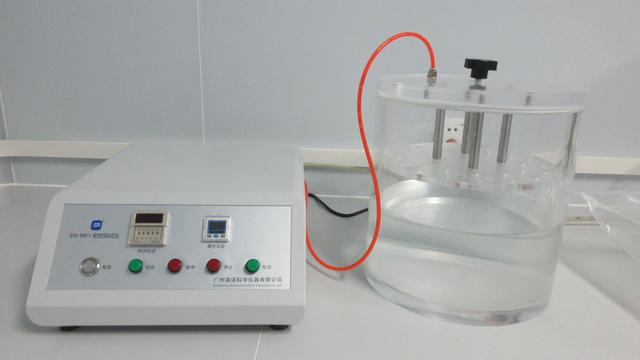
Quality is the foundation of our success. Every machine is manufactured under strict quality control procedures and undergoes comprehensive testing before delivery to ensure outstanding reliability, safety, and long-term performance. In addition, we offer flexible OEM and ODM services, providing customized packaging solutions tailored to customers' specific production needs.
Serving clients across Europe, North America, South America, Southeast Asia, the Middle East, and Africa, Ningbo Nexa Machine Co., Ltd. has established long-term partnerships with food manufacturers, distributors, and industrial integrators worldwide.
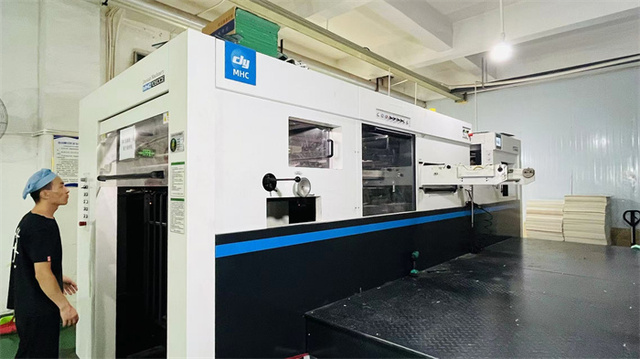
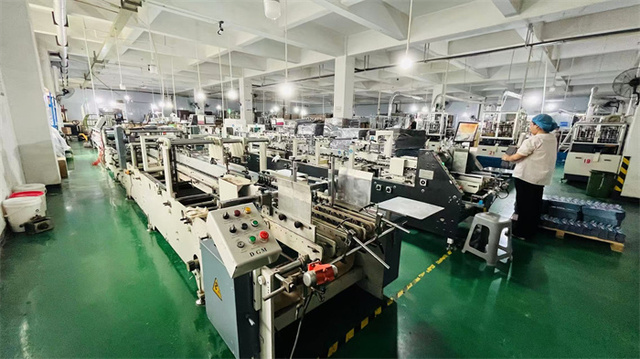
Navigating international health, safety, and operational standards in modern packaging manufacturing.
For multinational corporations, purchasing machinery from China requires rigorous compliance alignment with local operating territory regulations. Equipment destined for North America must satisfy UL standards, OSHA safety configurations, and electrical specifications (e.g., 480V 3-phase, 60Hz grids). Conversely, machines heading to the European Economic Area must comply with CE marking mandates, machinery directives, and strict functional safety protocols (like dual-channel safety relays and guard interlocking systems).
At the same time, food contact safety compliance is non-negotiable. Top manufacturers like Ningbo Nexa Machine Co., Ltd. guarantee that all product-contact zones are constructed from certified AISI 304 or 316L stainless steel, utilizing food-grade gaskets and FDA-approved lubricants. This ensures that the custom packaging design remains uncompromised by chemical migration or biological contamination during high-speed fill cycles.
Furthermore, as sustainability legislation tightens globally (such as the EU’s Packaging and Packaging Waste Regulation - PPWR), packaging machines must be engineered to handle new, eco-friendly substrates. This includes thin-gauge monomaterial recyclable films, paper-based barrier structures, and biodegradable polymers like PLA (polylactic acid). Modern heat-sealing jaws must integrate highly responsive PID temperature controllers to manage the narrow sealing temperature windows of these sensitive eco-materials without burning or tearing the web.
Strategic frameworks designed to mitigate risk, minimize downtime, and maximize Return on Investment (ROI).
Deploying smart industrial routers inside control cabinets allows engineers in Ningbo to perform real-time PLC updates, troubleshooting, and logic optimizations remotely.
Comprehensive Factory Acceptance Testing (FAT) with the client's actual packaging materials and products, combined with Site Acceptance Testing (SAT) guidelines, guarantees instant startup success.
By standardizing on world-class automation brands (like Omron, Schneider, SMC, and Siemens), clients can easily source critical mechanical and pneumatic spares locally.
Expanding structural flexibility and productivity through state-of-the-art thermoforming, stretch wrapping, and specialized filling machines.
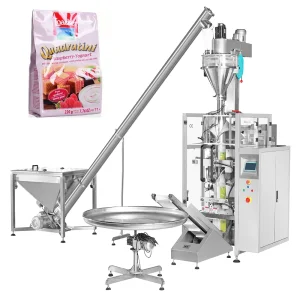
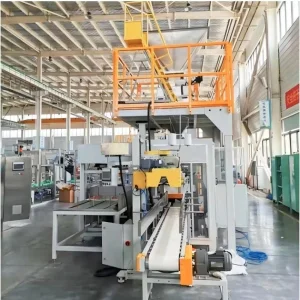
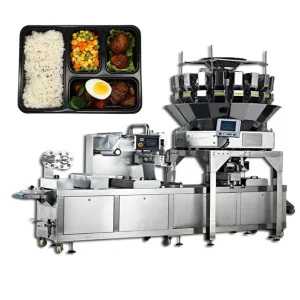
An engineering analysis of next-generation packaging capabilities, from smart diagnostics to green manufacturing.
Historically, high-speed vertical packing machines were calibrated exclusively for multi-layer laminated plastic films. Today's strict environmental legislation requires machines that can handle plastic-free or monomaterial alternatives. These materials have a narrow thermal window, meaning a variance of just 2-3°C can result in either an incomplete seal or burn-through. Advanced machinery now integrates impulse sealing systems and real-time infrared thermal monitoring to guarantee hermetic seals on paper-based and bio-polymer substrates.
High-end packaging lines now frequently integrate AI-enabled camera inspection systems directly after the sealing stage. These systems verify graphic alignment, inspect print quality (such as expiration codes), and identify micro-creases in seals. Scrap removal stations can automatically blow defective bags off the conveyor belt without interrupting the packaging cycle. This minimizes product waste and ensures that all shipped packaging designs match the quality parameters demanded by the brand.
Exploring how customized equipment addresses operational challenges across diverse target industries.
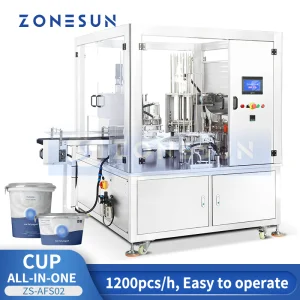
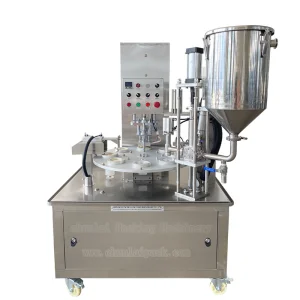
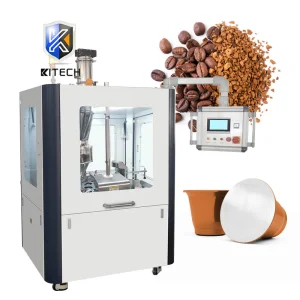
Rotary cup-filling systems are essential for dairy brands packaging fresh yogurt or sauces, as well as coffee brands producing single-serve pods (K-Cups). Liquid dairy demands CIP (Clean-in-Place) compatibility, anti-drip nozzles, and UV sterilization tunnels for empty cups. Conversely, coffee packaging requires precise nitrogen flushing to preserve delicate volatile oils, keeping residual oxygen levels below 1.5% to extend shelf life.
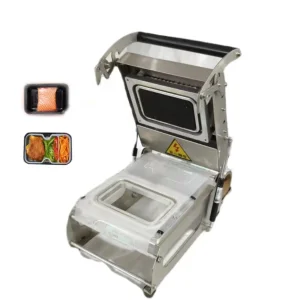
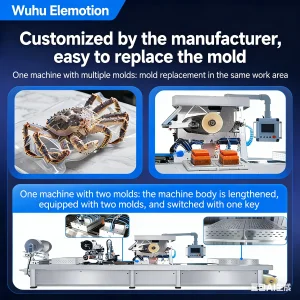
Industrial ready-meal packaging relies heavily on thermoforming vacuum sealing. By drawing a bottom web film into a custom-shaped tray mold, these machines allow proteins and ready meals to sit perfectly within the package. Integrating Skin Packaging (VSP) technology forms a tight protective layer around the contours of fresh food, protecting the product from freezer burn while creating an attractive, premium presentation on the retail shelf.
Answering critical technical, sourcing, and operational questions for global procurement teams.
 Nexa Machine