Blister packaging represents one of the most critical unit-dose and integrity-critical segments of global commercial packaging. Primarily utilized in the pharmaceutical, nutraceutical, consumer medical, and specialized retail sectors, blister packaging ensures long-term chemical stability, physical protection, and tamper evidence. Statistically, the global blister packaging market is expanding at a compounding annual growth rate (CAGR) of over 6.2%, driven heavily by the rising demand for unit-dose medication in aged demographics, strict compliance protocols regarding medication adherence, and the robust growth of OTC wellness products.
Modern supply chains demand modular, agile, and high-efficiency thermoforming and cold-forming (Alu-Alu) machinery. Industrial manufacturing environments cannot rely on static production structures; instead, operators look toward smart, automated lines that can switch from thermoformable polymers (such as PVC, PVDC, Aclar, and PET) to cold-formable, multi-layered aluminum matrices without extensive downtime. This whitepaper analyzes the leading technological architectures and highlights the top suppliers providing these complex, high-throughput systems globally.
For pharmaceutical and food manufacturers, sourcing blister equipment is not just an procurement decision—it is a regulatory validation step. Standard blister lines must comply with FDA CFR Title 21 Part 11, EU Annex 11, and strict Current Good Manufacturing Practices (cGMP). High-quality suppliers are verified by their machinery's sanitary execution, easy line clearance mechanisms, and automated vision systems that reject incomplete blisters.
Evaluation of Water Vapor Transmission Rates (WVTR) and Oxygen Transmission Rates (OTR) across PVC, PVDC, and Alu-Alu cold-form materials.
Rotary versus Flat-bed sealing mechanics. Optimizing temperature controls to eliminate mechanical micro-fractures in aluminum foils.
Maximizing Overall Equipment Effectiveness (OEE) through servo-driven web indexing, rapid format changeovers, and modular mold tooling.
Understanding the difference between thermoforming and cold forming is essential for selecting the correct factory supplier. Thermoforming involves heating a plastic web (typically PVC, PETG, or cyclic olefin copolymers) to its softening temperature, using positive air pressure or vacuum to mold it into cavity shapes, and cooling it to set. This offers high product visibility and speed but has lower relative barrier protection against humidity and light.
Cold Forming (Alu-Alu), on the other hand, utilizes a multi-layered laminated aluminum web that is mechanically pressed into cavities using forming pins. Because the material is not heated, it forms a complete physical barrier to moisture, oxygen, light, and gases. However, Alu-Alu cavities are typically larger (due to material draw limits), reducing the package density and increasing production costs.
Leading suppliers, such as those listed below, offer hybrid machinery capable of both methodologies. Integrating these systems with secondary cartoners and checkweighers yields a highly optimized packaging pipeline.
We evaluate the leading global manufacturers based on technological innovation, engineering compliance, manufacturing capacity, and lifecycle support.
Uhlmann stands as the undisputed global pioneer in pharmaceutical blister packaging technology. Offering high-tier, fully integrated blister lines, Uhlmann specializes in rotary sealing and flat-bed configurations. Their systems feature proprietary software for tracking, tracing, and predictive maintenance, making them ideal for high-capacity multi-national drug producers. Their machinery complies with extreme cleanroom standards, boasting modular assemblies that support continuous validation processes.
IMA Group possesses a highly diversified portfolio in blister packaging under their IMA Active and IMA Safe divisions. Known for elegant mechanical design, high flexibility, and smart digital interfaces, IMA machinery is built to handle highly unstable products like pre-filled syringes, ampoules, and complex medical formulations. Their systems feature eco-friendly packaging capabilities, transitioning seamlessly to recyclable polymers.
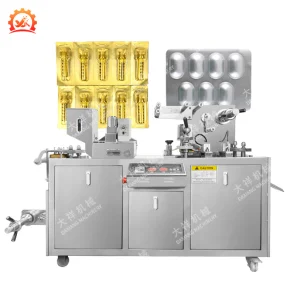
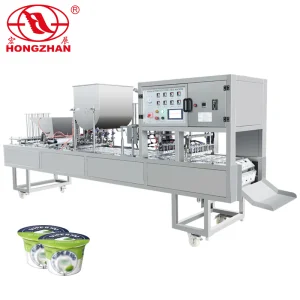
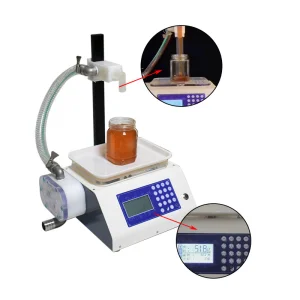
Ningbo Nexa Machine is an industry-leading packaging systems manufacturer specializing in both custom standalone machinery and fully integrated turnkey lines. Their DPP-115 series is highly recognized in mid-to-high capacity processing sectors, providing extremely stable Alu-Alu and PVC forming capabilities for liquids, honeys, pastes, and solid capsules. Nexa distinguishes itself by offering unparalleled ODM/OEM support, rigorous factory testing (FAT) before shipment, and responsive technical engineering for global food, cosmetic, and medical manufacturers.
Marchesini Group delivers high-integrity machinery featuring advanced robotic pick-and-place mechanisms (Robocombi). Their blister lines are designed to pack vials, syringes, tablets, and capsules with minimal human intervention. By emphasizing the integration of vision systems and low-noise mechanical designs, Marchesini guarantees a safe, reliable, and compliant production flow.
Romaco specializes in carbon-neutral packaging technologies. Their Noack and Macofar series represent robust blister solutions that process sustainable materials like paper-based forming webs and biodegradable films. Romaco emphasizes energy-efficient heating plates and reduced material waste, lowering the total cost of ownership (TCO) for eco-conscious enterprises.
Part of the Körber ecosystem, Mediseal provides blister machines noted for extreme flexibility and rapid product changes. Their dosing and feeding solutions are highly optimized for medical dosages, with special focus on containment designs (OEB 3/4/5) to protect operators from highly active pharmaceutical compounds (HPAPIs).
Hoong-A is an established supplier offering solid-performing thermoforming machinery across global pharmaceutical and retail cosmetic lines. Their machines feature intuitive control systems, high repeatability, and solid build quality with lower setup costs, catering to global contract manufacturing organizations (CMOs).
CKD offers blister packaging machinery known for absolute reliability and high precision, integrating advanced electronics and servo-control systems. They dominate the Asian high-precision market with blister machines that ensure complete material yield, minimizing scrap rates of high-value medications.
Hapa specializes in integrating inline digital printing systems directly onto blister packaging equipment. Their technology allows manufacturers to print variable data, barcodes, and local language details on-demand onto lidding foils, reducing pre-printed foil inventories and boosting lean manufacturing.
Mutual-Fastpack manufactures heavy-duty blister systems catering specifically to the FDA-regulated US pharmaceutical and veterinary sectors. Their machinery focuses on rugged mechanical reliability, utilizing standard US-sourced components to simplify maintenance and ensure rapid field service response.
Ningbo Nexa Machine Co., Ltd. is a leading China food packaging machine manufacturer specializing in the design, development, production, and supply of automatic packaging systems and integrated packaging solutions for the global food and pharmaceutical industries. With years of industry expertise and a commitment to technological innovation, Nexa Machine delivers reliable, efficient, and intelligent packaging equipment to customers worldwide.
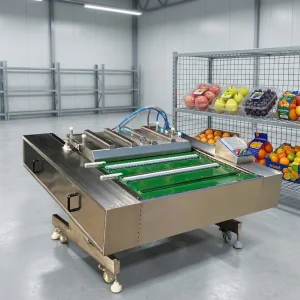
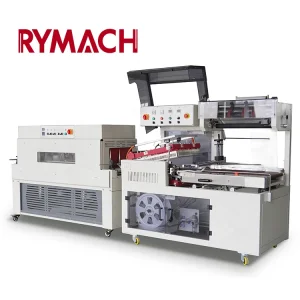
Our extensive product portfolio includes vertical form fill seal (VFFS) machines, vacuum packaging machines, pouch packaging systems, tray sealing machines, thermoforming packaging machines, sachet packaging machines, flow wrapping machines, cartoning machines, weighing and filling systems, and fully automated packaging lines. These solutions are widely used in the packaging of snacks, frozen foods, bakery products, confectionery, dairy products, powders, granules, liquids, pet food, and other food applications.
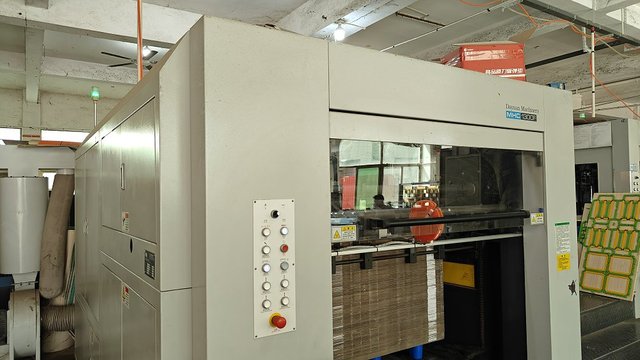
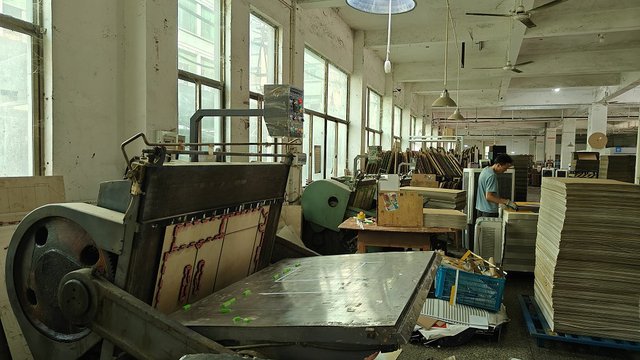
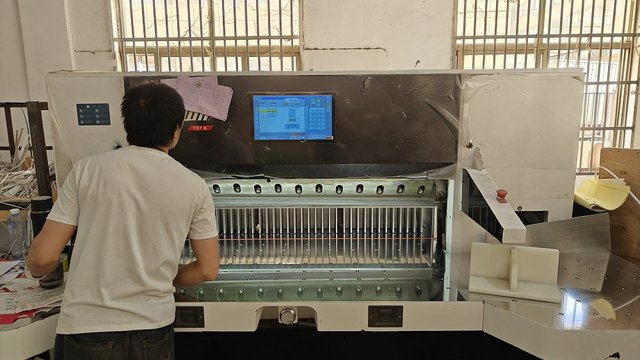
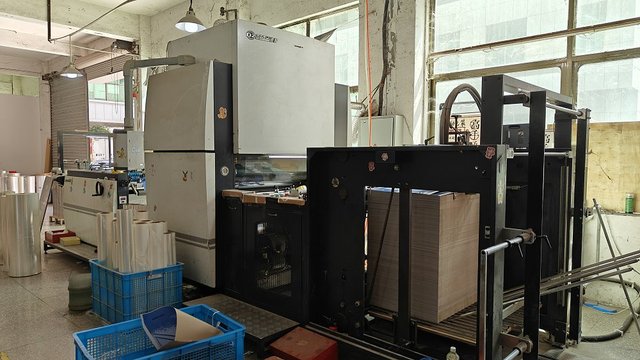
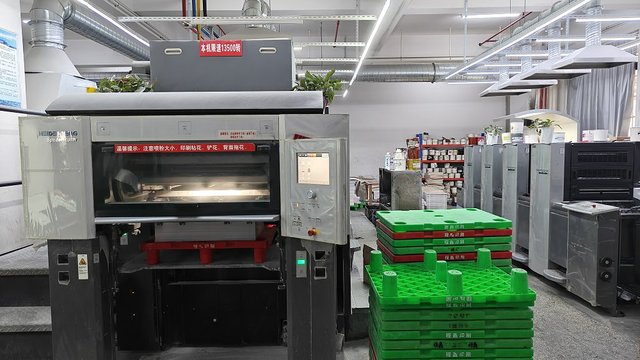
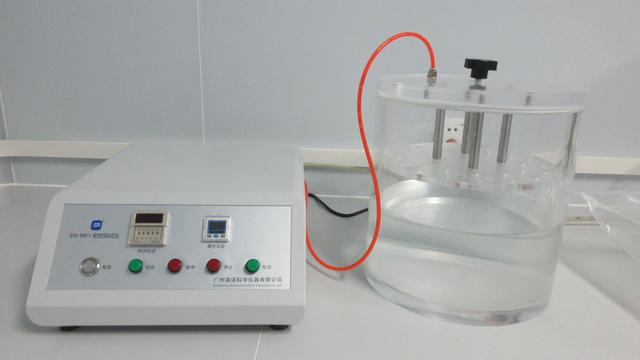
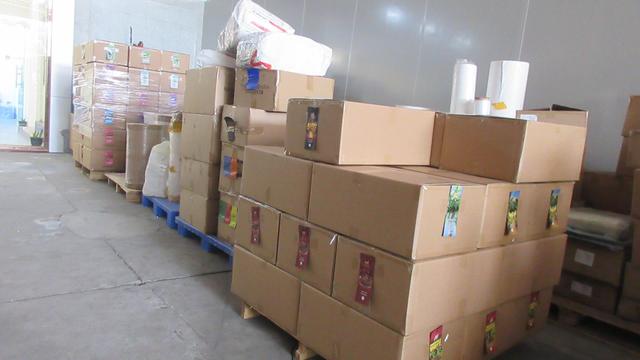
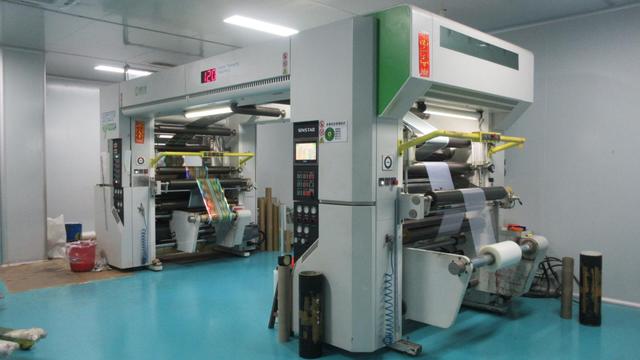
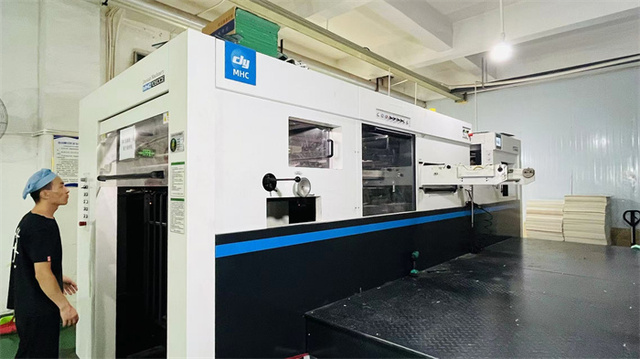
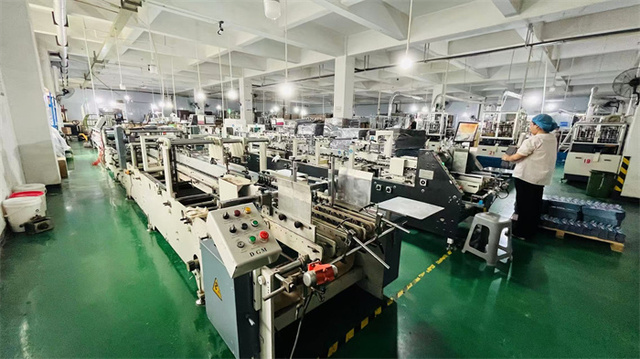
Driven by innovation, Ningbo Nexa Machine continuously invests in advanced manufacturing technologies and research and development capabilities. Our experienced engineering team develops high-performance packaging equipment featuring intelligent control systems, precise filling accuracy, stable operation, energy efficiency, and user-friendly interfaces to meet diverse production requirements.
Quality is the foundation of our success. Every machine is manufactured under strict quality control procedures and undergoes comprehensive testing before delivery to ensure outstanding reliability, safety, and long-term performance. In addition, we offer flexible OEM and ODM services, providing customized packaging solutions tailored to customers' specific production needs. Serving clients across Europe, North America, South America, Southeast Asia, the Middle East, and Africa, Ningbo Nexa Machine Co., Ltd. has established long-term partnerships with food manufacturers, distributors, and industrial integrators worldwide.
Deploying blister packaging lines requires navigating strict regional guidelines. For example, in North America, machines must comply with FDA Title 21 CFR Part 11 requirements for electronic records and signatures. In Europe, the focus shifts to CE certification and EU Annex 11 compliance. Selecting a supplier that provides standard documentation protocols such as IQ (Installation Qualification), OQ (Operational Qualification), and PQ (Performance Qualification) is essential for successful regulatory verification.
Furthermore, modern high-speed blister machinery must feature advanced integration capabilities to accommodate secondary packaging processes. Automatic cartoning machines, cartooning interfaces, checkweighing, and track-and-trace serialization systems must communicate smoothly using communication protocols such as OPC UA or Ethernet/IP. This digital integration ensures that every individual blister pack can be traced back to its specific batch, production line, time, and raw material roll.
Sanitary-grade material choice (316L stainless steel for product contact surfaces) ensures zero batch contamination and straightforward cleanroom validation.
Direct integration with thermal inkjet (TIJ) or laser printers for printing high-density 2D Datamatrix codes directly onto aluminum foils.
Specialized containment options (down to OEB 5) to protect operators during the packing of high-potency active pharmaceutical ingredients.
The blister packaging industry is undergoing a transition driven by sustainability mandates and digital integration. Traditionally, PVC has been the dominant choice due to its high thermoformability and low cost. However, the environmental impact of PVC has prompted the industry to adopt monomaterial packaging solutions. Key alternatives include:
Simultaneously, machine intelligence is playing an increasingly vital role. Modern blister lines use neural network-trained vision systems to inspect cavities at speeds exceeding 500 units per minute. These systems verify not only tablet presence, but also detect hairline cracks, micro-pinholes in the aluminum foil, color deviations, and cosmetic blemishes, automatically sorting out compromised blisters without stopping the production line.
The integration of IoT telemetry onto packaging lines enables factories to monitor vacuum pressure, forming temperatures, and sealing roll wear in real-time. This predictive maintenance approach minimizes unplanned downtime, moving operations from scheduled maintenance to condition-based interventions.
Ningbo Nexa Machine continuously integrates these smart sensors and vision systems into their custom packaging lines to help global manufacturers stay competitive.
Detailed, technical answers to the most common queries encountered by production managers and quality assurance teams.
 Nexa Machine