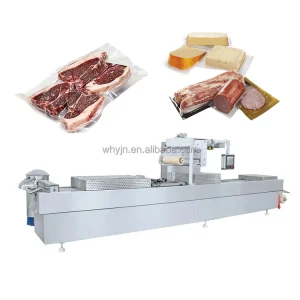
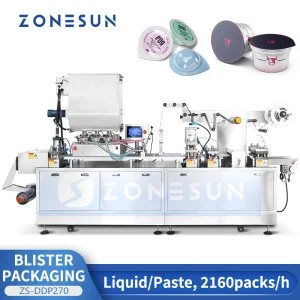
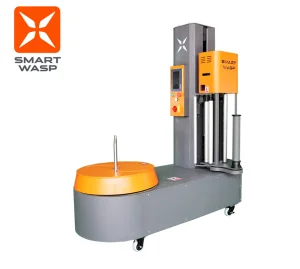
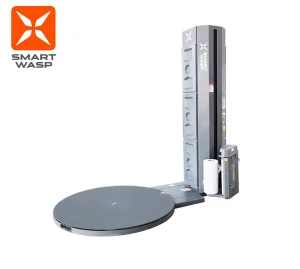
In modern industrial logistics and manufacturing supply chains, secondary packaging automation acts as the crucial link between production floors and distribution safety. Case sealers, also known as carton sealers, sit at the core of end-of-line packaging automation systems. Driven by the explosive growth of e-commerce, global labor shortages, and shifting supply chain standards, the market has transitioned rapidly from manual, tape-intensive workflows to fully integrated, intelligent case-closure solutions.
SEO Insight & Intent: Industrial buyers do not search merely for generic machinery; they hunt for operational reliability, throughput metric validation, and technology that reduces consumable waste (tape/hot-melt glue). Understanding case sealing requires a deep look into speed capabilities, case tape/glue options, and robotic compatibility configurations.
Historically, manufacturers relied on standard uniform case sealers requiring human operators to pre-fold the carton flaps manually. Today's global market demands high-speed, random-size-adjusting carton sealing machinery that dynamically responds to fluctuating SKU sizes in real-time. By implementing automated case sealing, companies reduce human error, ensure uniform structural box integrity, optimize tape utilization, and lower physical strain risks on personnel.
The global demand for high-efficiency shipping cases has highlighted the technical divides among regional industrial suppliers. The Western market (Europe and North America) continues to design complex, heavy-duty machines centered on high-speed continuous operations and Strict OSHA/CE safety standards. Concurrently, Asian manufacturing centers have shifted rapidly toward flexible, space-saving layouts, modular electronics, and price-to-performance setups that lower the barrier to entry for growing facilities.
According to industrial analysts, the key growth factors driving case sealing systems include:
Uniform sealers handle runs of identical carton sizes. Random sealers automatically adjust in real-time to varying heights and widths, optimal for third-party logistics.
Semi-automatic units require manual folding of minor/major carton flaps before machine entry. Fully automatic models process boxes with zero human intervention.
Tape offers straightforward maintenance and cleaner line starts. Hot melt adhesive provides structural integrity, dynamic resistance to humidity, and tamper-proofing.
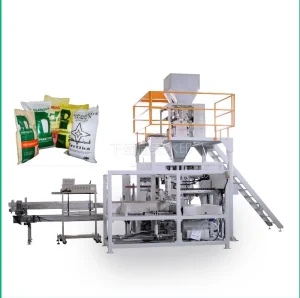
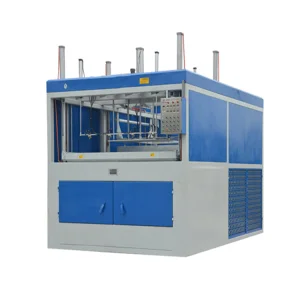
Ningbo Nexa Machine Co., Ltd. represents the cutting-edge of Chinese packaging engineering. Specializing in advanced, food-grade secondary packaging systems, thermoforming applications, and custom robotic end-of-line packaging integration, Nexa has quickly captured market share in the food processing, dairy, snack food, and chemical sectors.
Core Strengths: Exceptional material handling design, seamless integration from vertical form fill seal (VFFS) systems directly to final box packer/sealers, and full washdown stainless steel options that meet rigid USDA and European hygiene requirements. Their capability to deliver custom OEM/ODM solutions provides massive flexibility for fast-growing companies requiring bespoke floor dimensions.
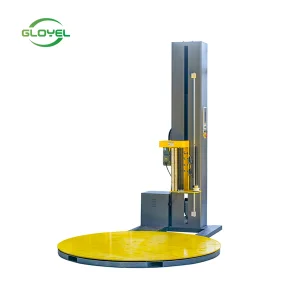
Lantech, globally known as the original developer of the stretch wrapping machine, has established a formidable line of case packaging systems. Their focus centers on eliminating packaging defects and box jams.
Core Strengths: Proprietary "Lantech Case Erecting & Sealing Tech" focuses on square boxes. Their machines feature active carton folding systems, preventing out-of-square boxes that cause downstream processing jams.
3M is synonymous with box taping. Their 3M-Matic™ case sealer line represents the industry benchmark for high-reliability tape application. Their systems focus heavily on high-precision tape heads and consistent adhesive sealing.
Core Strengths: Famous AccuGlide™ tape heads that apply adhesive tape smoothly without damaging fragile double-wall or single-wall corrugated boxes. Highly durable machinery build that can run continuously for decades.
As part of the ProMach packaging family, Wexxar Bel designs high-durability case erecting, forming, and sealing machinery for heavy-duty industrial applications.
Core Strengths: Ultra-rugged structural frames, ultra-reliable pneumatic systems, and user-friendly color-coded size changeovers. Ideal for high-speed continuous factory operations in damp or dirty settings.
A pioneer in industrial packaging, Loveshaw's Little David brand specializes in versatile case sealers, case erectors, and industrial inkjet printers.
Core Strengths: Excellent compact systems designed for small footprints. Their tape cartridges are easy to maintain, and their machinery offers straightforward mechanical integration with standard gravity feed lines.
SOCO SYSTEM is a major European player that champions modular design philosophy. They manufacture case sealers, conveyor systems, and robotic palletizers that work as integrated building blocks.
Core Strengths: High-quality stainless steel components, ergonomic designs, and easy modular expansion. Excellent choice for clean rooms and pharmaceutical facilities.
Combi Packaging Systems is a premier manufacturer of custom-engineered packaging equipment, offering ergonomic case packers, box sealers, and tray formers.
Core Strengths: Heavy-duty, high-performance designs. Strong focus on combining case erecting, hand packing, and case sealing into unified, compact stations.
Endoline Machinery is a leading UK designer and manufacturer of end-of-line packaging automation systems, popular across European food and retail industries.
Core Strengths: High-speed dynamic random case sealers. Engineering solutions that handle very narrow, shallow, or exceptionally large cases that other machines reject.
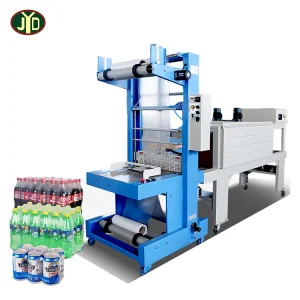
Eastey manufactures a broad lineup of case sealers, shrink tunnels, and L-sealers focused on providing robust, straightforward machinery to mid-market customers.
Core Strengths: Heavy-duty sheet metal frames, low-maintenance side drive belts, and competitive initial investment costs. Excellent for standard distribution operations.
A-B-C is a long-standing titan in packaging automation, providing heavy-duty case sealers, packers, and palletizers to major beverage and consumer product corporations.
Core Strengths: High-throughput hot melt glue sealing machines. Built for continuous operation on 24/7 lines with quick mechanical reset features.
| Feature Parameter | Pressure-Sensitive Tape Sealing | Hot Melt Glue Sealing | Water-Activated Tape (Gummed) |
|---|---|---|---|
| Line Speed (Typical) | Up to 30 Cases / Minute | Up to 50+ Cases / Minute | Up to 15 Cases / Minute |
| Consumable Material Cost | Moderate (dependent on tape grade) | Low per box (bulk adhesive) | High (reinforced paper) |
| Structural Integrity | Standard - flexible hold | High - fuses carton flaps together | High - bonds with cardboard fibers |
| System Complexity | Low (simple mechanical tape heads) | High (requires heated hose/nozzles) | Moderate (requires wetting system) |
| Dust/Debris Sensitivity | High (dust degrades tape adhesive) | Low (hot glue cuts through dust) | Low (water-based bond is secure) |
| Eco-Friendliness & Recycling | Requires tape separation at recycle plant | Highly compatible with clean recycling | 100% recyclable (same material as box) |
For procurement managers, purchasing industrial case packaging equipment involves navigating strict safety and regulatory frameworks. B2B operators must verify that equipment meets localized requirements to ensure workplace safety and pass government inspections.
A common mistake in packaging equipment procurement is failing to assess localized support capabilities. If a case sealer stops working, the entire warehouse flow bottlenecks. Top-tier manufacturers like Nexa Machine offer strategic partnership services, including remote VPN industrial troubleshooting, standardized parts programs utilizing local parts hubs (e.g., standard pneumatic components by Festo or SMC), and 24-hour service level agreements (SLAs) for global field engineer dispatches.
The packaging industry is rapidly evolving. Over the next five years, case sealing and secondary packaging technology will focus heavily on automation, carbon reduction, and artificial intelligence.
Traditional case sealers cannot determine if a case is properly sealed; they only feed the carton through tape rollers. Future systems will utilize smart AI cameras to verify tape adhesion, detect misaligned flaps, and flag structural box warping. If a defect is caught, the system ejects the bad carton before it reaches the palletizer, eliminating transit damage.
Integrated vibration and temperature sensors on main drive belts and tape blade assemblies will analyze operational data in real-time. By utilizing smart Edge computing, the machine notifies the maintenance department before a failure occurs, replacing reactive repair cycles with planned upkeep.
As global markets restrict single-use plastics, case sealers are shifting toward bio-degradable adhesives and thin, high-tensile paper tape systems. Next-generation dynamic tape heads will self-adjust tension settings to handle delicate eco-friendly materials without tearing, maintaining high speeds.
Ningbo Nexa Machine Co., Ltd. is a leading China food packaging machine manufacturer specializing in the design, development, production, and supply of automatic packaging systems and integrated packaging solutions for the global food industry. With years of industry expertise and a commitment to technological innovation, Nexa Machine delivers reliable, efficient, and intelligent packaging equipment to customers worldwide.
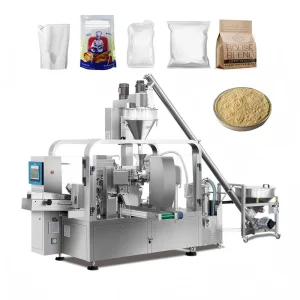
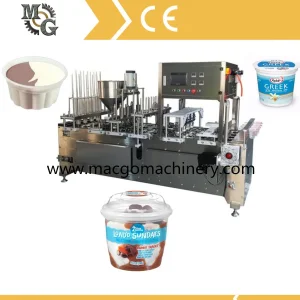
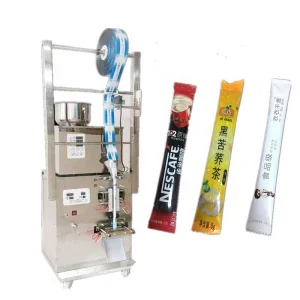
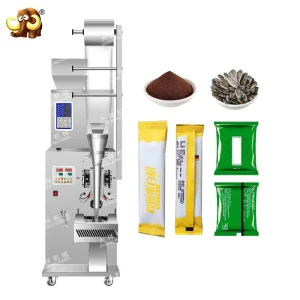
Our extensive product portfolio includes vertical form fill seal machines, vacuum packaging machines, pouch packaging systems, tray sealing machines, thermoforming packaging machines, sachet packaging machines, flow wrapping machines, cartoning machines, weighing and filling systems, and fully automated packaging lines. These solutions are widely used in the packaging of snacks, frozen foods, bakery products, confectionery, dairy products, powders, granules, liquids, pet food, and other food applications.
Driven by innovation, Ningbo Nexa Machine continuously invests in advanced manufacturing technologies and research and development capabilities. Our experienced engineering team develops high-performance packaging equipment featuring intelligent control systems, precise filling accuracy, stable operation, energy efficiency, and user-friendly interfaces to meet diverse production requirements.
Quality is the foundation of our success. Every machine is manufactured under strict quality control procedures and undergoes comprehensive testing before delivery to ensure outstanding reliability, safety, and long-term performance. In addition, we offer flexible OEM and ODM services, providing customized packaging solutions tailored to customers' specific production needs.
Serving clients across Europe, North America, South America, Southeast Asia, the Middle East, and Africa, Ningbo Nexa Machine Co., Ltd. has established long-term partnerships with food manufacturers, distributors, and industrial integrators worldwide.
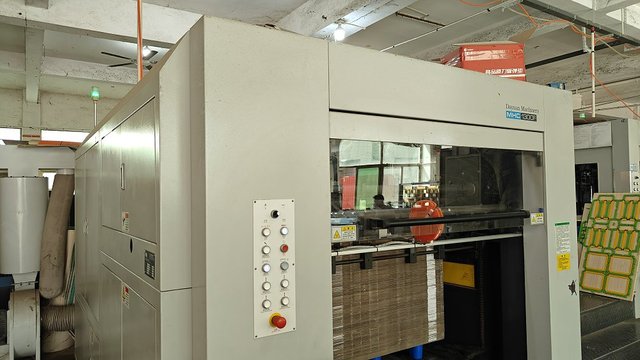
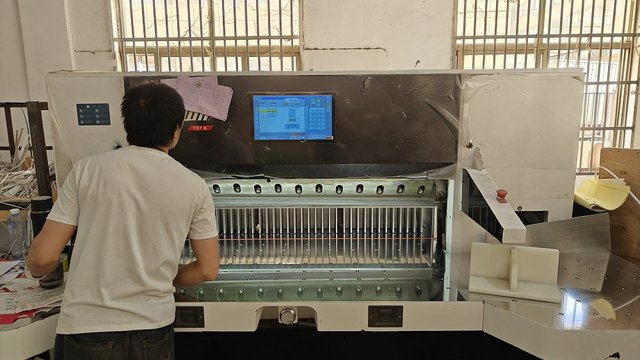
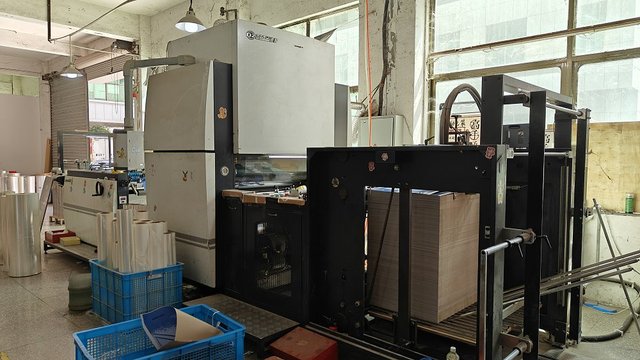
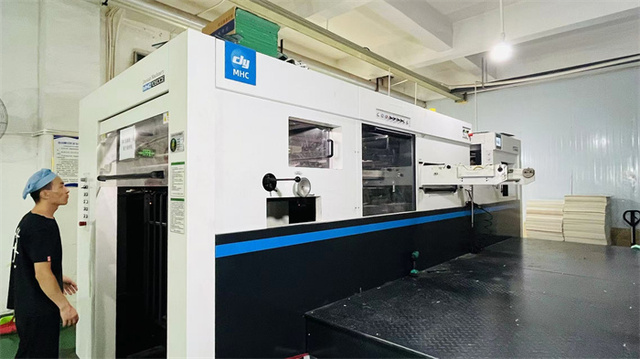
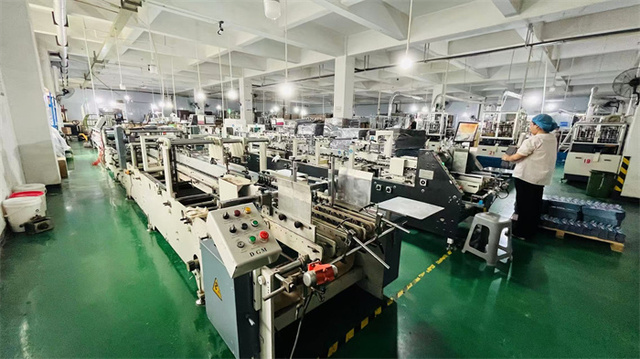
A case erector takes flat cardboard sheets (blanks), unfolds them into a 3D box shape, and seals the bottom flaps so the box is ready to be filled. A case sealer takes the already-filled box, folds the top flaps down, and seals the top (and sometimes bottom) to secure the goods for shipping.
Choose tape if your production lines require frequent product transitions, lower initial equipment investment, and straightforward mechanical maintenance. Opt for hot melt glue if you run high-volume, automated lines that require structural strength, tamper protection, or operations in cold, humid packaging environments.
Random case sealers use pneumatic cylinders and optical sensors to detect the incoming carton's height and width. The tape assembly and side drive belts adjust dynamically to fit the box size before it enters the taping zone.
Yes. Modern case sealers use PLCs (such as Allen-Bradley or Siemens) with industrial Ethernet/IP links to coordinate speeds with downstream machinery, allowing finished cases to feed directly into robotic palletizing stations.
Standard maintenance involves cleaning adhesive residue off the rollers with solvents, checking spring tension, inspecting blade wear, and lubricating moving pivots. Premium tape heads feature quick-release tabs, allowing operators to swap heads in under 30 seconds to minimize downtime.
 Nexa Machine