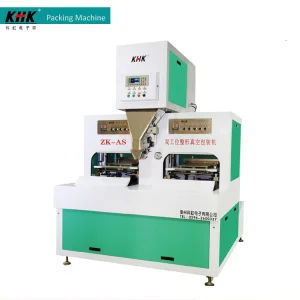
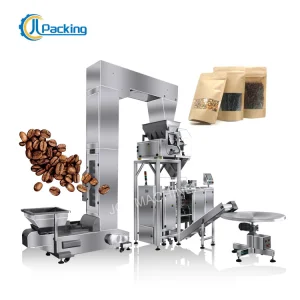
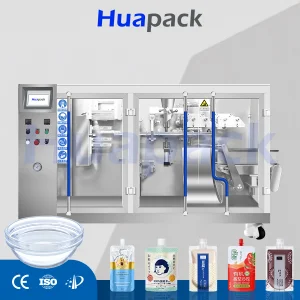
High-precision mechanical and electrical engineering solutions optimized for commercial, food-grade, and industrial hardware processing lines.
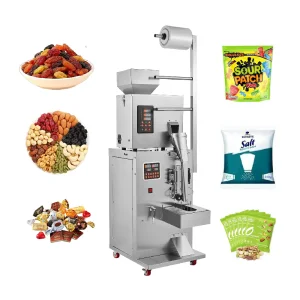
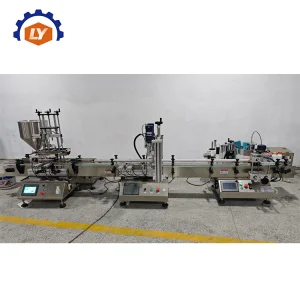
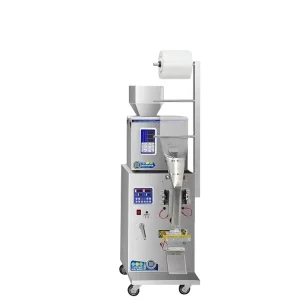
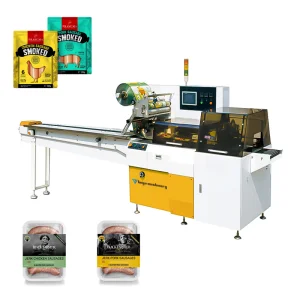
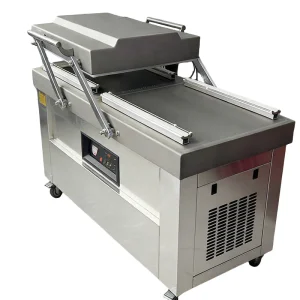
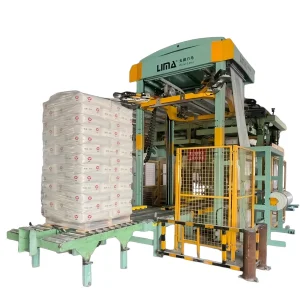
Mapping the transition to high-precision, low-latency, and smart automated production lines globally.
“The global transition toward automated factory ecosystems is driving exponential growth in packaging technologies. Electronic packaging machinery is no longer just a structural container maker; it is the ultimate shield for sensitive micro-components, semiconductor modules, consumer electronics, and heavy-duty industrial hardware assemblies.”
In the contemporary industrial and manufacturing landscapes, packaging equipment plays an invaluable role. From preserving the shelf-life of food supplies to shielding high-tech silicon components and delicate mechanical relays from static, humidity, and oxidation, high-performance automated solutions are critical. Global demand is shifting decisively towards integrated machinery that offers high throughput, modular configurability, and deep diagnostic capabilities. Leading export hubs, particularly within China's highly advanced coastal clusters such as Ningbo, have rapidly transitioned from simple mechanical assembly plants into integrated digital engineering centers.
This paradigm shift has established China-based manufacturers like Ningbo Nexa Machine Co., Ltd. as crucial partners for international brands. By providing solutions ranging from standard vertical form fill seal (VFFS) systems to specialized double chamber vacuum packers, modern factories offer customizable layouts that minimize energy draw while optimizing mechanical footprint. The integration of high-grade servo-drive networks, intelligent programmable logic controllers (PLCs), and pneumatic architectures ensures that products—whether small organic coffee beans, raw hardware granules, or high-value sub-assemblies—are packaged with zero margin of error.
Analyzing mechanical systems designed for precision, protective atmospheres, and end-of-line logistics automation.
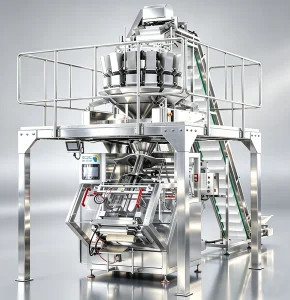
Engineered for high-volume operations, VFFS systems construct bags from a continuous roll of plastic film, feed product via accurate volumetric or gravimetric scales, and seal the pouch vertically and horizontally.
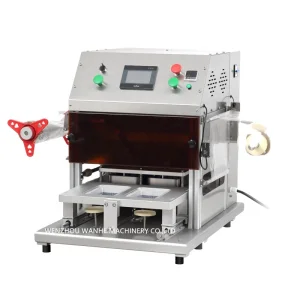
These platforms extract atmospheric air from pouches or trays, replacing it with an inert gas blend (nitrogen/carbon dioxide) to prevent oxidation, degradation, and contamination.
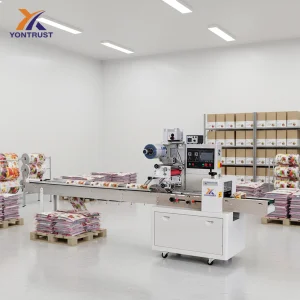
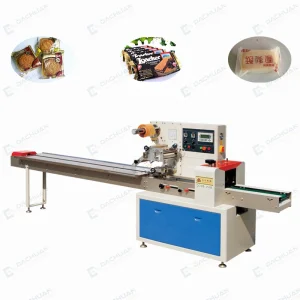
Engineered for linear high-speed throughput, these configurations encapsulate single or bulk items in precise pillow-pack geometries, wrapping film horizontally before boxing.
A deep dive into state-of-the-art engineering, customization matrices, and global compliance frameworks.
Ningbo Nexa Machine Co., Ltd. is a major China-based packaging machine manufacturer specializing in the design, development, production, and supply of automatic packaging systems and integrated end-of-line packaging lines. With years of deep engineering expertise and an ongoing commitment to technological innovation, Nexa Machine designs, builds, and supports durable and energy-efficient packaging equipment for global markets.
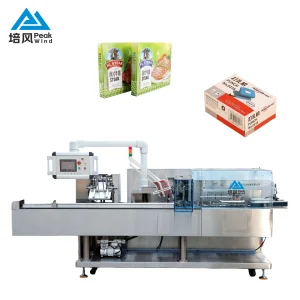
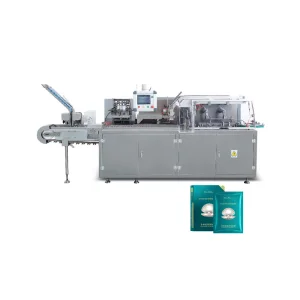
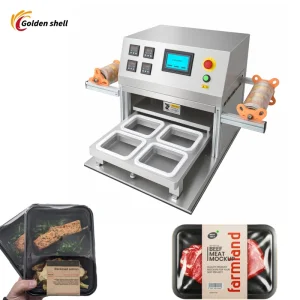
The company's product portfolio includes vertical form-fill-seal machines, vacuum packaging machinery, premade pouch packaging lines, tray sealing machines, thermoforming units, sachet fillers, horizontal flow wrappers, cartoning systems, multi-head weighing scales, and bespoke robotic palletizing cells. These specialized solutions are widely deployed across industries such as food processing, pharmaceutical handling, chemical dosing, hardware distribution, and electronics protection.
Driven by rigorous R&D, Ningbo Nexa Machine invests in advanced production processes and digital diagnostics. Their engineering team develops equipment featuring HMI touchscreens, PLC networks, high-accuracy multi-head weighers, and robust mechanical structures. Quality control forms the foundation of Nexa’s production philosophy; every machine undergoes multi-phase dynamic stress testing before dispatch to ensure operational uptime. Nexa also provides comprehensive OEM and ODM support, tailoring machinery dimensions, electrical configurations, and mechanical structures to fit customer floor space and automation requirements.
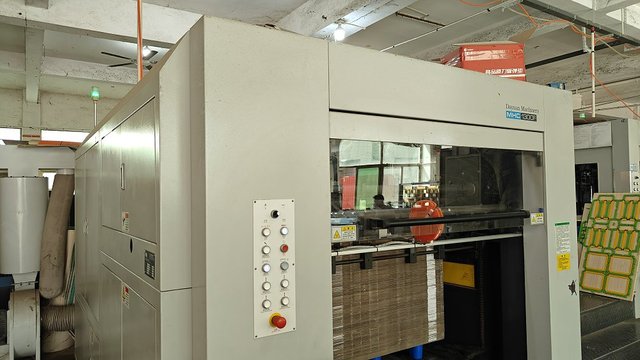
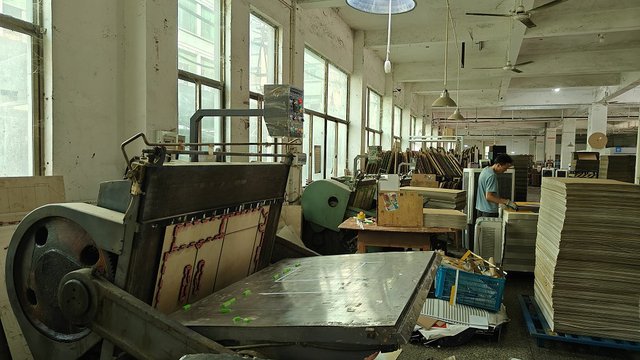
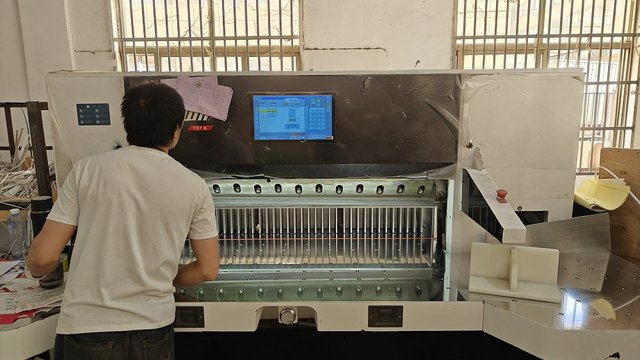
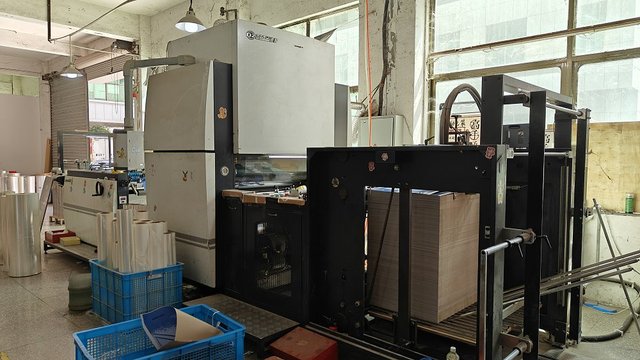
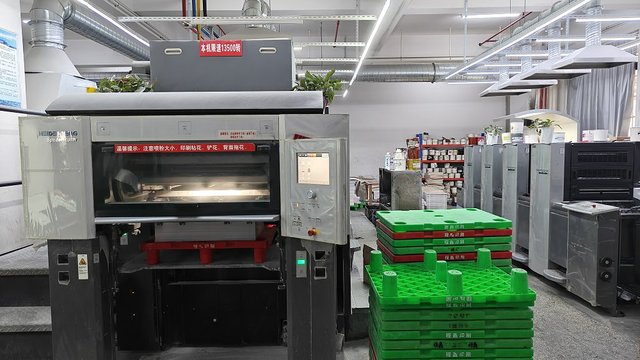
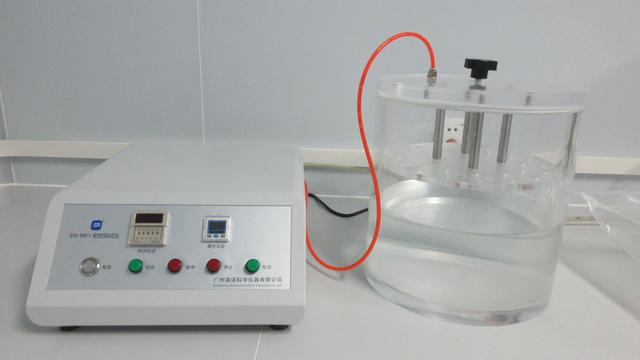
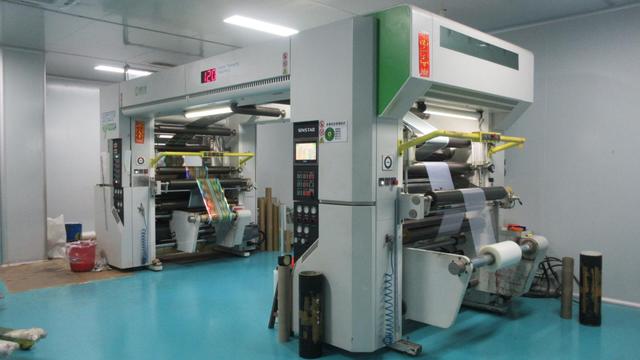
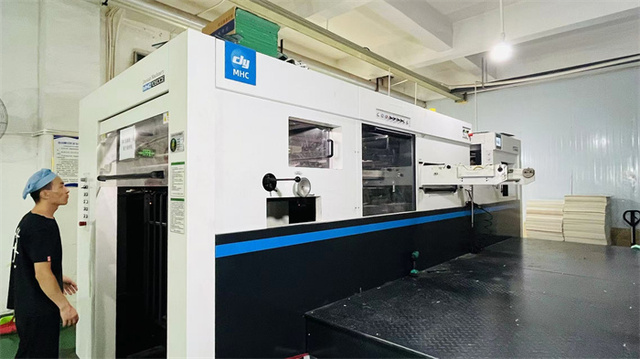
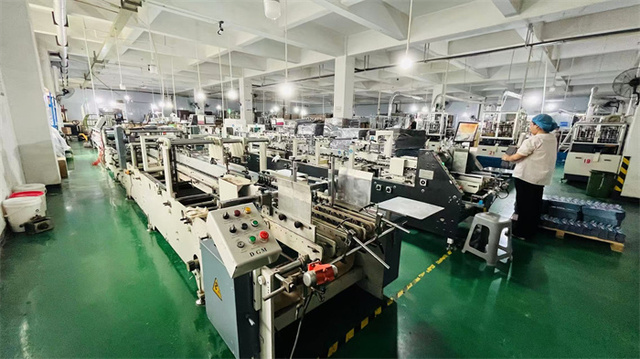
Where efficiency meets intelligence: Industry 4.0 paradigms reshaping electronic and industrial packaging lines.
How packaging machinery satisfies localized regulatory demands, industry practices, and production environments.
Different international regions place unique demands on packaging equipment. Machinery exports must comply with distinct local standards, whether addressing strict sanitary regulations in the West, adjusting for hot and humid climates in developing regions, or integrating into automated IoT networks in high-wage economies.
Answers to technical and commercial questions most relevant to purchasing managers and operations engineers.
Advanced equipment for heavy-duty sealing, high-speed wrapping, and automated cartoning lines.
 Nexa Machine