Innovative technology designed for cosmetic, food, and high-viscosity chemical processing
In the contemporary cosmetic, clinical, and dermal care industries, airless pump packaging has evolved from a premium branding choice to a functional necessity. Global regulatory bodies demanding reduced chemical preservative load, combined with consumer insistence on "clean beauty" and organic formulas, have propelled the airless dispensing system into the spotlight.
Unlike standard pump action bottles that rely on dip tubes and expose the internal bulk fluid to atmospheric oxygen, airless systems work on a mechanical pressure differential mechanism. Utilizing a precision-molded piston base or a collapsible inner pouch, the system creates a vacuum barrier that isolates the active formulations from ambient oxygen, airborne spores, and external pollutants. This structural integrity guarantees extended shelf stability, zero oxidation of volatile active elements (such as Vitamin C, Retinoids, and Peptide matrices), and a near-perfect evacuation rate of 98%+, drastically outperforming traditional container formats.
How state-of-the-art machinery and supply chain verticality drive global competitiveness
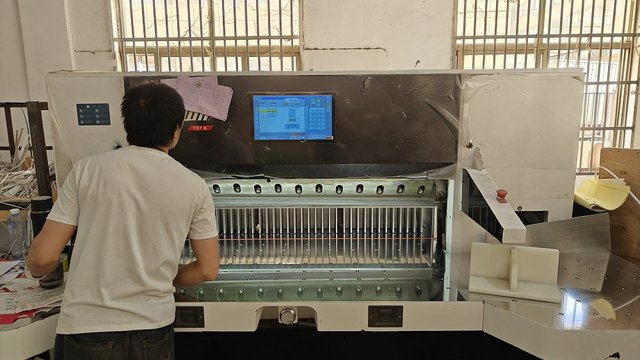
The manufacturing process of an airless pump packaging system demands strict tolerances. Each system comprises multiple components: actuator, collar, stem, piston, chamber, and outer bottle. A variance of even 0.02mm can lead to air leaks, piston jamming, or dosage inconsistency. China's top-tier manufacturers rely on advanced injection mold tooling, high-cavitation hot runner molds, and automatic assembly systems to achieve absolute dimensional consistency across millions of units.
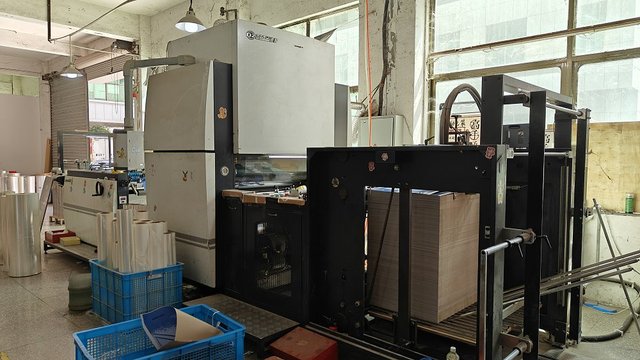
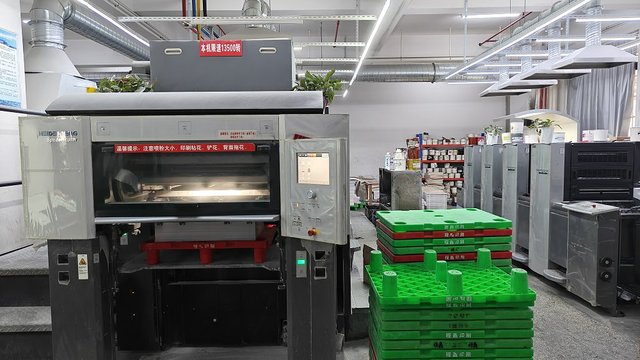
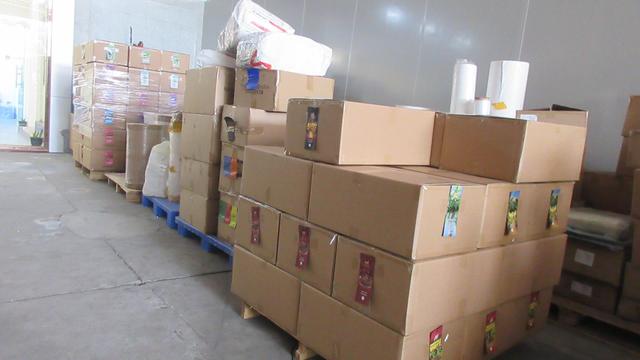
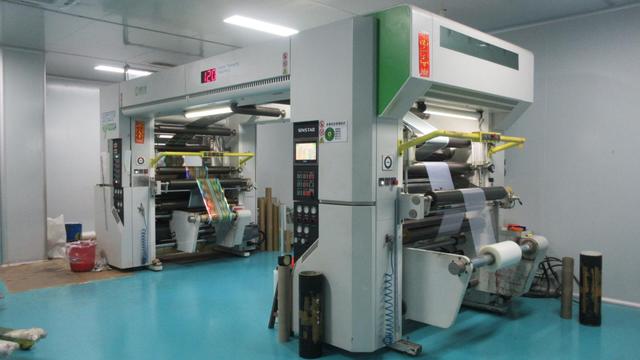
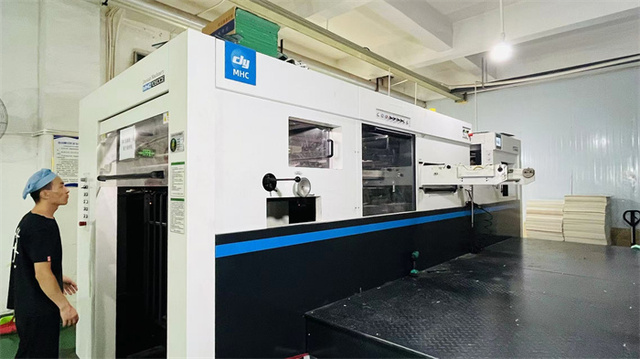
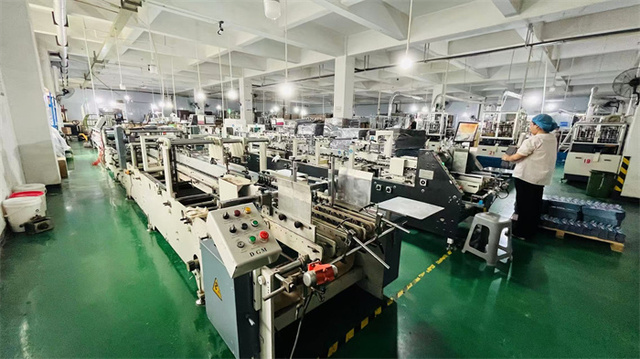
By integrating automation and manufacturing infrastructure, China's production centers like Ningbo and Shaoxing offer rapid prototyping, precision steel tool fabrication, and high-speed multi-station assembly lines. This level of vertical integration guarantees that high volumes of airless bottles can be manufactured, decorated (using UV lacquering, metallization, silkscreening, or hot-foil stamping), and boxed with minimal human touch.
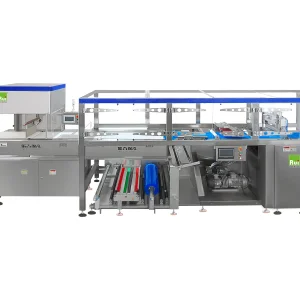
Quality and precision are the key metrics for global supply chain integration. Companies like Ningbo Nexa Machine Co., Ltd. bridge the gap between primary packaging components and automated end-of-line packaging systems. Advanced machinery integration ensures that the high production rates of airless packaging manufacturers are matched by efficient downstream processes.
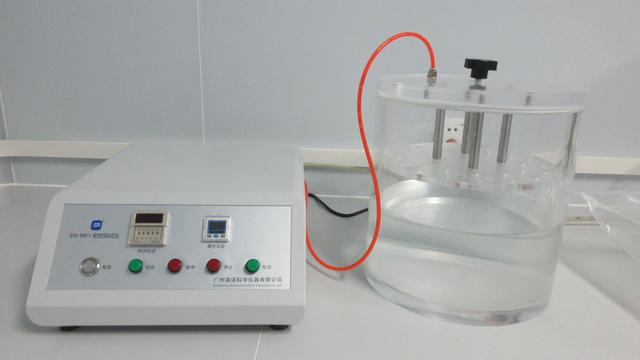
Using automated visual inspection cameras, high-precision weighing systems, and automated leakage testers, the assembly phase filters out defective airless pumps before shipping. This focus on automation ensures that bulk cosmetic brands receive products that meet strict quality standards, minimizing rejection rates on high-speed filling lines.
Ningbo Nexa Machine Co., Ltd. — Leading the way in industrial packaging automation
Ningbo Nexa Machine Co., Ltd. is a leading China food packaging machine manufacturer specializing in the design, development, production, and supply of automatic packaging systems and integrated packaging solutions for the global food industry. With years of industry expertise and a commitment to technological innovation, Nexa Machine delivers reliable, efficient, and intelligent packaging equipment to customers worldwide.
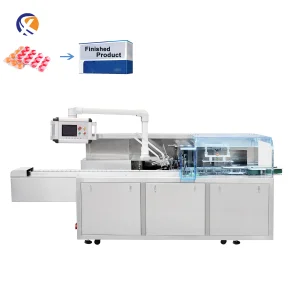
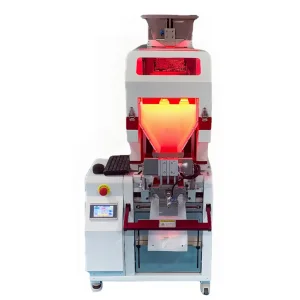
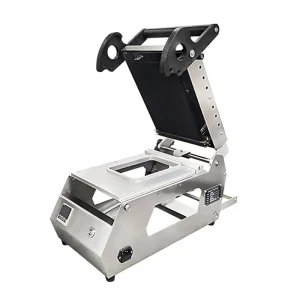
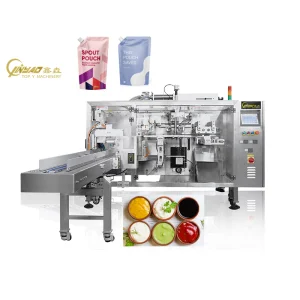
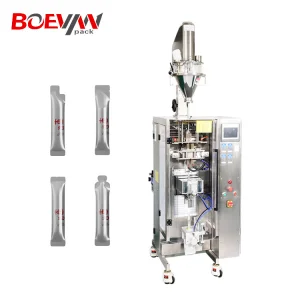
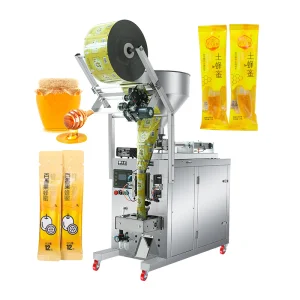
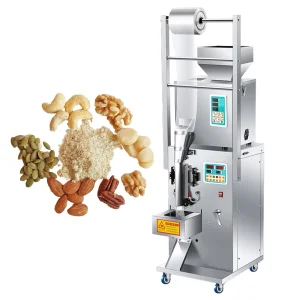
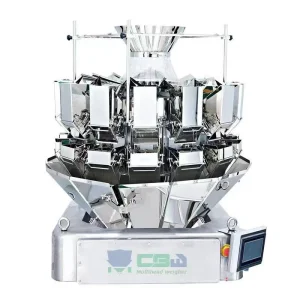
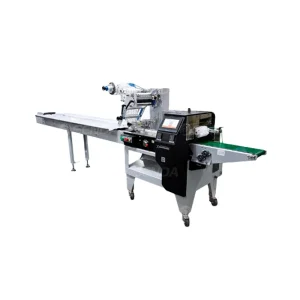
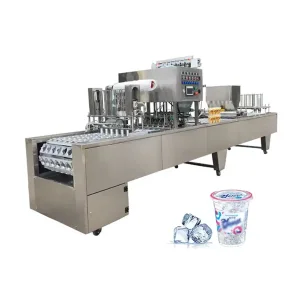
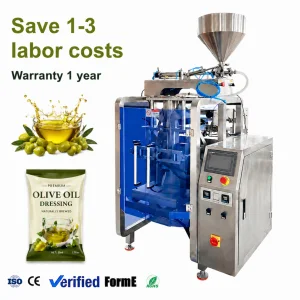
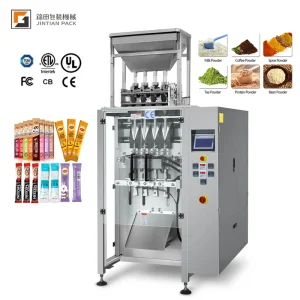
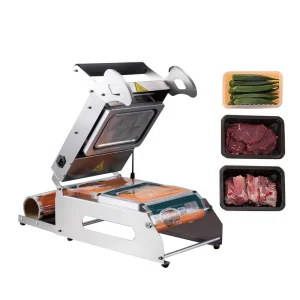
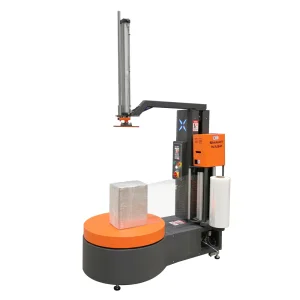
Our extensive product portfolio includes vertical form fill seal machines, vacuum packaging machines, pouch packaging systems, tray sealing machines, thermoforming packaging machines, sachet packaging machines, flow wrapping machines, cartoning machines, weighing and filling systems, and fully automated packaging lines. These solutions are widely used in the packaging of snacks, frozen foods, bakery products, confectionery, dairy products, powders, granules, liquids, pet food, and other food applications.
Driven by innovation, Ningbo Nexa Machine continuously invests in advanced manufacturing technologies and research and development capabilities. Our experienced engineering team develops high-performance packaging equipment featuring intelligent control systems, precise filling accuracy, stable operation, energy efficiency, and user-friendly interfaces to meet diverse production requirements.
Quality is the foundation of our success. Every machine is manufactured under strict quality control procedures and undergoes comprehensive testing before delivery to ensure outstanding reliability, safety, and long-term performance. In addition, we offer flexible OEM and ODM services, providing customized packaging solutions tailored to customers' specific production needs.
Serving clients across Europe, North America, South America, Southeast Asia, the Middle East, and Africa, Ningbo Nexa Machine Co., Ltd. has established long-term partnerships with food manufacturers, distributors, and industrial integrators worldwide.
Navigating global regulatory compliances, material selection, and machinery integration
When global skin care and clinical topical brands procure airless systems, the primary engineering variable is the formulation's rheological profile. High-viscosity systems, such as anti-aging night creams, physical mineral sunscreens (containing Zinc Oxide or Titanium Dioxide), and dermal medications require pumps with a wider suction canal and an optimized spring tension mechanism to prevent cavitation. Our engineering teams assist clients in tailoring the spring forces and chamber volume parameters of airless dispensers to match the formulation's flow characteristics, avoiding issues like dripping or air pocketing during use.
Global plastic regulation changes, particularly in the European Union (under the PPWR draft regulations) and North America, have prioritized the recyclability of plastic waste. Traditional airless pumps contained a small metal spring within the product flow path, complicating recycling and requiring multi-stage disassembly. The industry is transitioning toward mono-material designs. Modern designs substitute the metal spring with a polyolefin elastomer (POE) or an integrated PP bellows system, allowing the entire bottle (cap, actuator, chamber, and engine) to be recycled in standard PP recycling streams.
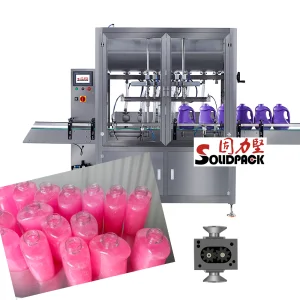
For brands and contract fillers (CMOs), purchasing the correct airless bottle is only half the battle. The airless bottles must be compatible with high-speed automatic filling lines. The bottom-fill airless design (where the bottle is filled through the base and then sealed with a piston) requires precise insertion forces. Conversely, top-fill systems require clean nozzles and fast vacuum-capping processes. Aligning the bottle specifications with automated filling, cartoning, and flow-wrapping machines minimizes line stoppage, maximizes overall equipment effectiveness (OEE), and prevents micro-cracks in the plastic collar during high-speed capping.
Ensure your products are secured and labeled at high-speed scale
Expert answers to critical engineering, manufacturing, and procurement inquiries
 Nexa Machine